ServicesTrailer Interchange Insurance
Trailer Interchange Insurance in Lawrenceville
When you sign an interchange agreement, you take responsibility for a trailer that belongs to someone else. We set up trailer interchange coverage that matches what that agreement asks of you, then keep it current as your contracts, lanes and partners change.
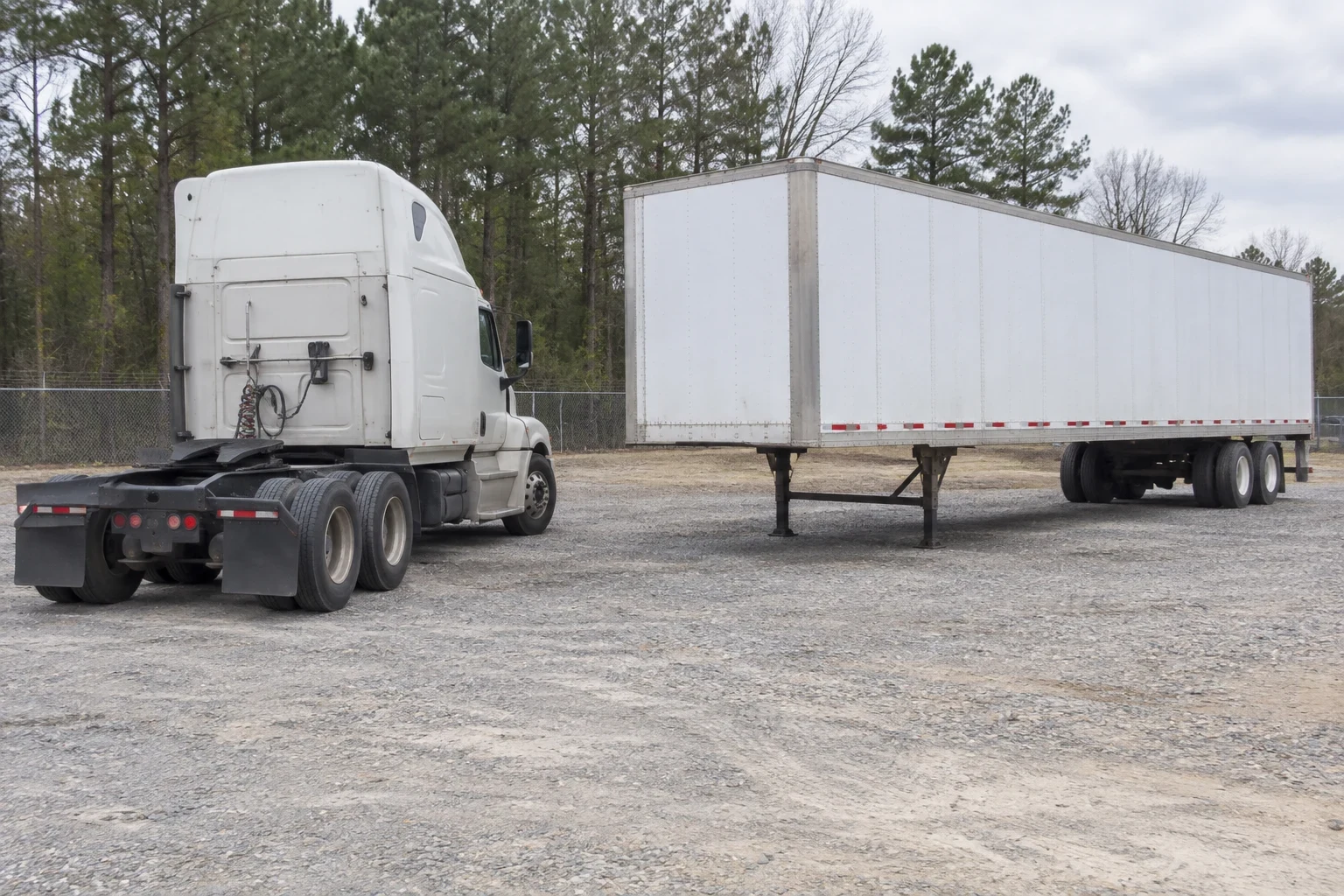
What trailer interchange coverage does
Trailer interchange insurance pays to repair or replace a trailer you don't own while a signed interchange contract makes you responsible for it. The typical covered causes are collision, fire, theft and vandalism to the trailer. The freight is a separate matter handled by motor truck cargo insurance, and this policy does not stand in for the liability on your trucks.
The signed contract is the line between this coverage and general non-owned trailer protection. Intermodal moves, carrier-to-carrier trailer swaps and drop-and-hook setups with shippers frequently come with paperwork that spells out who pays for damage. We go through that paperwork with you and shape the policy so it meets those terms.
We think of this coverage as something to look after over time, not a one-time purchase. Contracts renew, required limits climb and new partners bring their own forms. A policy that matched your work in spring can drift out of step by the fall.
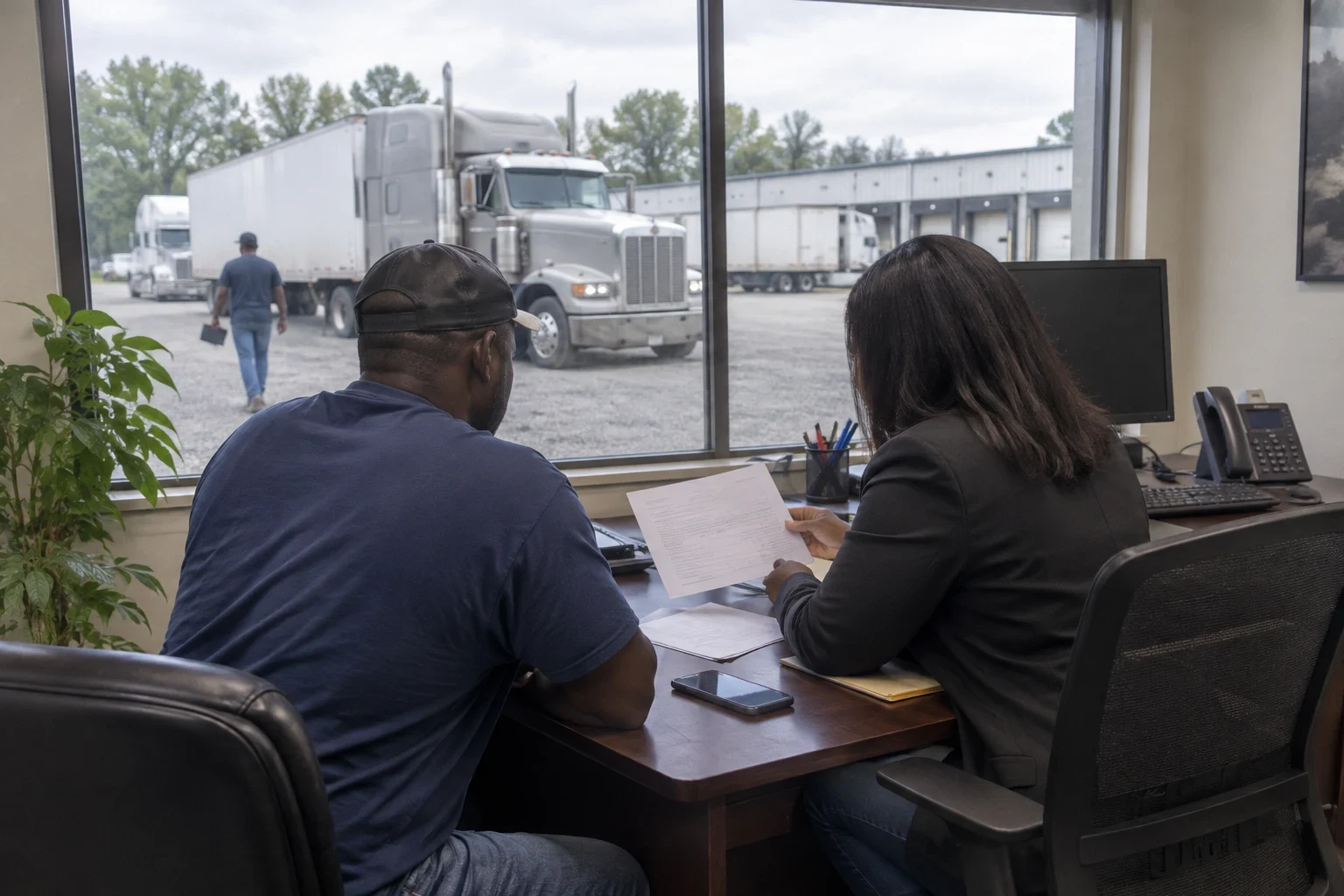
What we handle for you
- 01
Agreement review
We read the interchange agreement line by line and note the required limit, the deductible terms and any wording about who carries the risk. Then we explain it in plain language.
- 02
A limit sized to the trailer
The limit should reflect what the trailers you pull are actually worth. A refrigerated unit or a newer dry van can need a higher figure than an older chassis, and we set it to the equipment you really haul.
- 03
Certificates of insurance
Railroads, steamship lines and other carriers want proof before they release equipment. We issue certificates of insurance that show the interchange coverage the way the other party expects to see it.
- 04
Fit with your other policies
We check how interchange coverage sits alongside your physical damage insurance, cargo coverage and primary auto liability so there are no gaps or overlaps between them.
- 05
Ongoing upkeep
When you add a lane, sign with a new partner or upgrade equipment, we revisit the policy. Small adjustments along the way prevent a bigger problem at claim time.
Questions about Trailer Interchange Insurance?
Call(770) 203-1136When this coverage belongs on your policy
A contract makes you liable for the trailer
Once you sign paperwork that puts damage to another party's trailer on you, a policy should be there to pay it. Without one, your operation covers that bill out of its own pocket.
You're moving into intermodal
Rail ramps generally want proof of interchange coverage before a container or chassis leaves the gate.
You trade trailers with other carriers
Swaps and power-only loads mean hauling equipment that belongs to someone else. The paperwork behind those arrangements usually names who carries the risk.
Your certificate was turned down
When a partner refuses a certificate, the limit or the wording usually doesn't meet their terms. We track down the reason and fix it.
Your physical damage policy stops at your own equipment
Most physical damage coverage protects trailers you own or hold on a long-term lease. A contracted trailer from someone else calls for its own coverage line.
How we set it up
- 1
Learning how you run
We start with a call, a video meeting or a visit to our office to hear about your trucks, the trailers you hook and the partners you haul for. It helps to have your DOT number and MC authority nearby.
- 2
Going through the contract
Share the interchange agreement and we review it together. We flag the limit it calls for and any clauses worth a second look.
- 3
Your quote, explained
We return a quote that lays out the limit, deductible and premium, plus how it lines up with the coverage you already carry. You make the call with everything visible.
- 4
Binding and certificates
After you decide, we bind coverage and send certificates of insurance to each party that needs one, so equipment is released when you arrive.
- 5
Reviews over time
Ahead of each renewal, and any time a contract changes, we look at the policy again so it stays matched to the work you do.
What moves the premium
The price of trailer interchange coverage follows the trailer value you accept responsibility for and how often that equipment sits behind your truck. We go over each factor with you, so the number makes sense and you can see which levers are yours to adjust.
- Required limit per trailer
- A contract that demands a larger limit costs more to insure. We set the figure to what the agreement asks for and what the equipment is really worth.
- Deductible choice
- Raising the deductible trims the premium, but you pay a larger share yourself when a trailer gets damaged. We help you land on an amount your cash flow can absorb without strain.
- Trailer type and value
- A reefer, a flatbed, an intermodal chassis and a dry van each carry their own replacement cost and risk. More expensive equipment generally brings a higher premium.
- Driver records and claims history
- Carriers with clean MVRs and few past losses tend to see better rates. Earlier claims for trailer damage usually push the price up.
- How often and how far you haul
- Frequent swaps, trailers left overnight at drop yards and long routes all increase exposure. Steady regional runs out of Lawrenceville often price differently from long-haul interchange work.
Trailer interchange questions
How is trailer interchange different from non-owned trailer coverage?
Trailer interchange responds when a signed interchange contract puts the trailer in your hands and makes you answerable for it. Non-owned trailer physical damage covers trailers you pull with no such contract in place. Some operations need one, some need both, and once we see your agreements we can tell you which applies.
Is the load inside the trailer covered?
No. This coverage pays for damage to the trailer itself. The freight falls under motor truck cargo insurance, and we can arrange both together so they work side by side.
I run under another carrier's authority. Should I carry interchange coverage myself?
That comes down to what your lease agreement says. Some carriers extend their own policy to interchanged trailers, while others make the owner-operator responsible. We review the lease with you first so you only pay for coverage you actually need.
What limit makes sense for my trailers?
The interchange contract is the starting point, since it often sets a minimum. Then look at what the trailers you pull are worth, because a contract minimum can fall short on a newer or specialized unit. We compare the two with you and recommend a figure.
If I sign a new contract partway through the term, can the policy be updated?
Usually, yes. Limits can typically be raised during the term, and new certificate holders can be added. Call us as soon as the new agreement lands and we will go over it before you hook your first trailer.
Keep your interchange coverage in step with your contracts
Bring us your agreement and a few details about your trucks. We'll explain what it requires and how to cover it properly.