ServicesPrimary Auto Liability
Primary Auto Liability Insurance in Lawrenceville
When your truck is at fault, primary auto liability pays for the other party's injuries, vehicle and property. Your MC authority also depends on it staying in force. We place the policy, confirm the filing and look after it through every renewal.
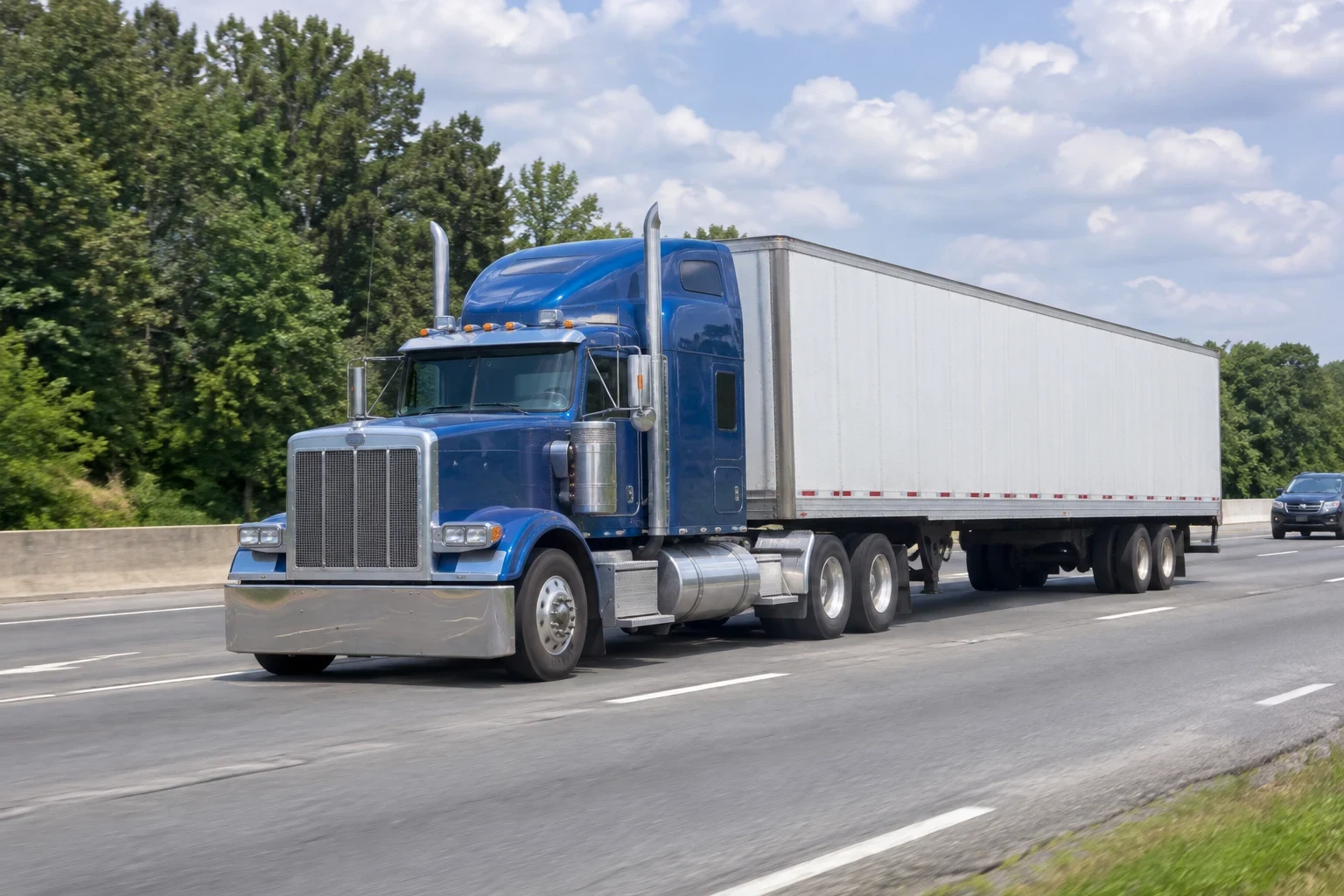
The policy your authority stands on
Hauling for hire under your own DOT number and MC authority requires federal proof of liability coverage. The insurer sends that proof to FMCSA electronically, typically on a BMC-91X, and adds the MCS-90 endorsement to your policy. Let the policy lapse and the filing falls off, which can lead to your authority being revoked.
What it covers is straightforward. If a crash is your truck's fault, the policy pays for injuries to the people in the other vehicle, repairs to that vehicle and damage to any property involved, plus the cost of your legal defense. Your own truck and the freight on it are not part of it. Those are handled by Physical Damage Insurance and Motor Truck Cargo Insurance.
We look at liability as coverage you keep in shape, not a purchase you make once. Brokers tighten their requirements, you add a unit, a driver picks up a ticket. Regular small check-ins keep the policy in line with the work you really do.
What we handle on a liability policy
Limit selection
We start from the federal minimum for your commodity, then look at what your brokers and shippers write into their contracts. Many ask for more than the minimum, and a load board rejection is a poor way to find out.
Federal and state filings
We confirm the carrier files the BMC-91X with FMCSA and any state filing needed for intrastate work in Georgia. Then we check that the filing actually shows on your record.
Certificates of insurance
Brokers, shippers and yards need a certificate of insurance before they load you. We issue them by request and make sure each one names the right holder and the right limits.
Scheduled units and drivers
Every truck and every driver on the policy is listed correctly. We review the schedule with you so nothing runs uncovered after a trade-in or a new hire.
Mid-term changes
Adding a power unit, changing your radius or picking up a new commodity can all affect the policy. We make the change and explain any premium adjustment before it posts.
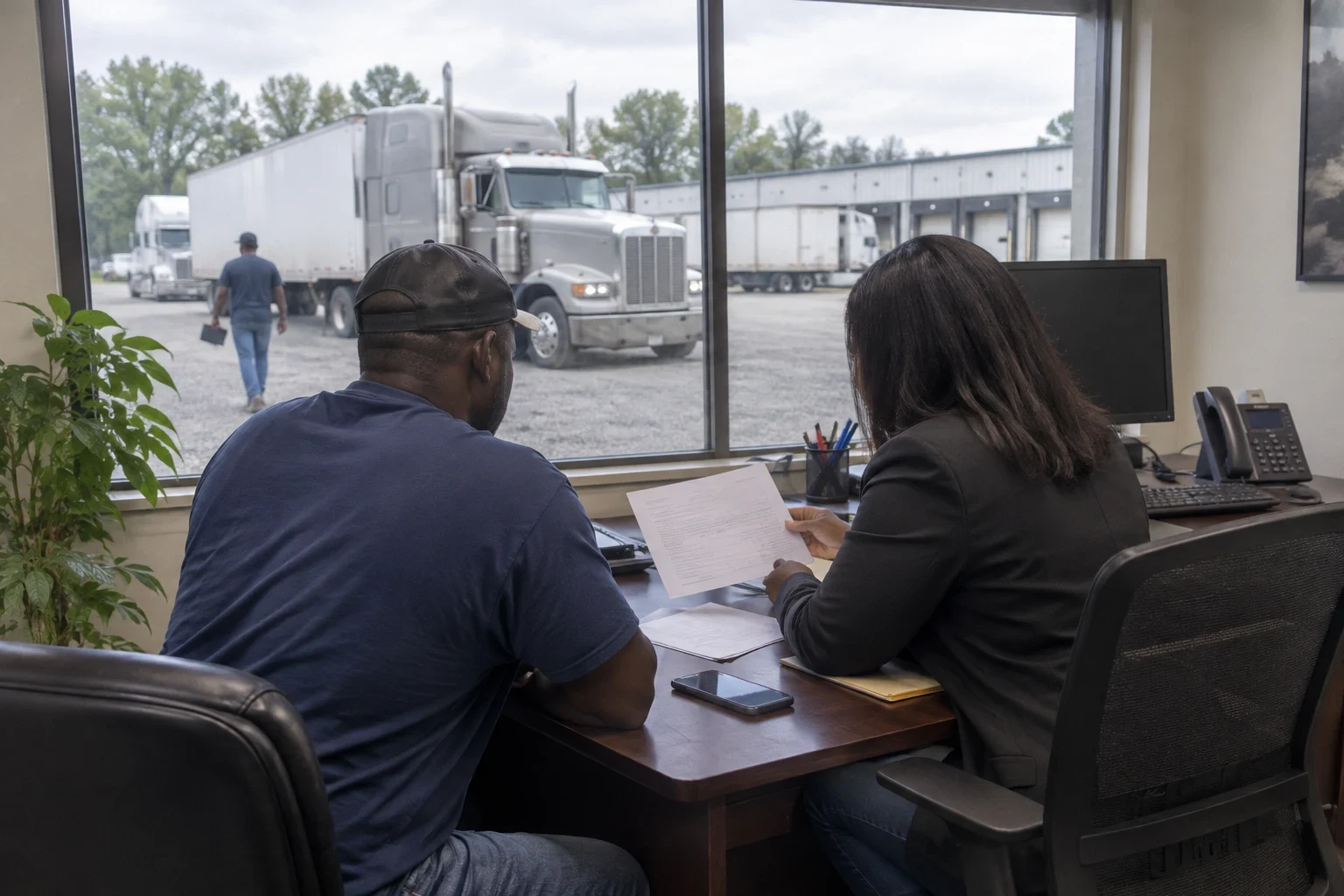
Signs your liability coverage needs attention
- A broker asked for a higher limit
- If a broker or shipper will not book you at your current limit, the policy is holding back your revenue. We can show what a higher limit costs before you commit.
- You are leaving a lease
- Moving from a carrier's authority to your own means you now need your own primary liability. Bobtail coverage under a lease does not carry over.
- Your renewal jumped
- A sharp increase usually has a reason, such as a claim, a driver violation or a market change. We look for it and see whether another carrier views your file differently.
- A notice of cancellation arrived
- A missed payment or a lapse can pull your filing and stall your authority. Call early so there is time to fix it before the date on the letter.
- Your operation changed shape
- New trucks, new drivers, longer runs or different freight all change your risk. A policy written for last year's operation may not fit this one.
How we place and keep your liability
- 1
Start with your operation
We meet at our office or connect by phone or video. You tell us about your trucks, drivers, freight and radius, and the contracts you are aiming for.
- 2
Gathering your file
We look up your DOT number and safety record, then ask for loss runs, driver licenses and a unit list. Underwriters respond with stronger offers when the file is complete.
- 3
Quotes explained line by line
We walk through every quote with you, covering the limit, any deductible, the scheduled units and the exclusions. You decide with everything laid out.
- 4
Binding and filing
When you choose, we bind the policy, confirm the federal filing posted and send certificates of insurance to the brokers who ask for them.
- 5
Ongoing upkeep
During the term we make changes as they come up. Ahead of renewal we review your record, limits and contracts so the new term starts clean.
What shapes your liability premium
Of all the coverages on a trucking policy, liability tends to cost the most, and underwriters price it from the details of your own risk. We cannot quote a number until we have seen your file. We can show you which factors are pushing the premium and which ones you can improve over time.
- Driver records and experience
- Underwriters look closely at motor vehicle records and years of driving. A single serious violation can raise the rate for every driver on the policy.
- Safety scores and claims history
- Your CSA scores and loss runs show how your operation has actually performed. A run of quiet, clean years usually earns better terms when renewal comes around.
- Freight and radius
- The commodity you haul and the distance you run both count. Hazardous materials carry higher federal minimums, and long interstate lanes are priced differently from short local runs around Gwinnett County.
- Limit and number of units
- Raising the limit raises the premium, and every power unit you schedule adds to it. Matching the limit to what your contracts truly require keeps you from overpaying.
- Time under authority
- A newly issued authority has no track record for underwriters to judge, so pricing starts higher. Our New Authority Truck Insurance page covers how that eases as your history grows.
Liability coverage, answered plainly
- Does bobtail coverage do the same job as primary liability?
- It does not. Primary liability covers you when you haul under your own authority, or the motor carrier you are leased to supplies it. Bobtail, also called non-trucking liability, is for a leased owner-operator and applies only while the truck is off dispatch. Once you run under your own MC authority, primary liability is the policy you need.
- If I cause a wreck, does liability pay to repair my own truck?
- It will not. Liability pays for the harm done to other people and their property. Repairs to your own tractor or trailer come under physical damage insurance, and we can quote it alongside your liability so the two fit together.
- How long before my filing shows up with FMCSA?
- Once the policy is bound, the insurer sends the filing, and it generally appears on your FMCSA record within a few business days. We check the record ourselves to confirm it posted rather than assuming it went through.
- Can my premium come down without lowering my limit?
- In many cases, yes, but it builds over time. Clean driver records, careful hiring and few claims all work in your favor when renewal comes. We review those factors with you every year and take your file to market once your record supports a better rate.
- I am adding a truck partway through the term. What should I do?
- Tell us before the new unit is put to work. We add it to your schedule, confirm the change with the insurer and walk you through how it affects your premium. That way the truck is covered from its first load.
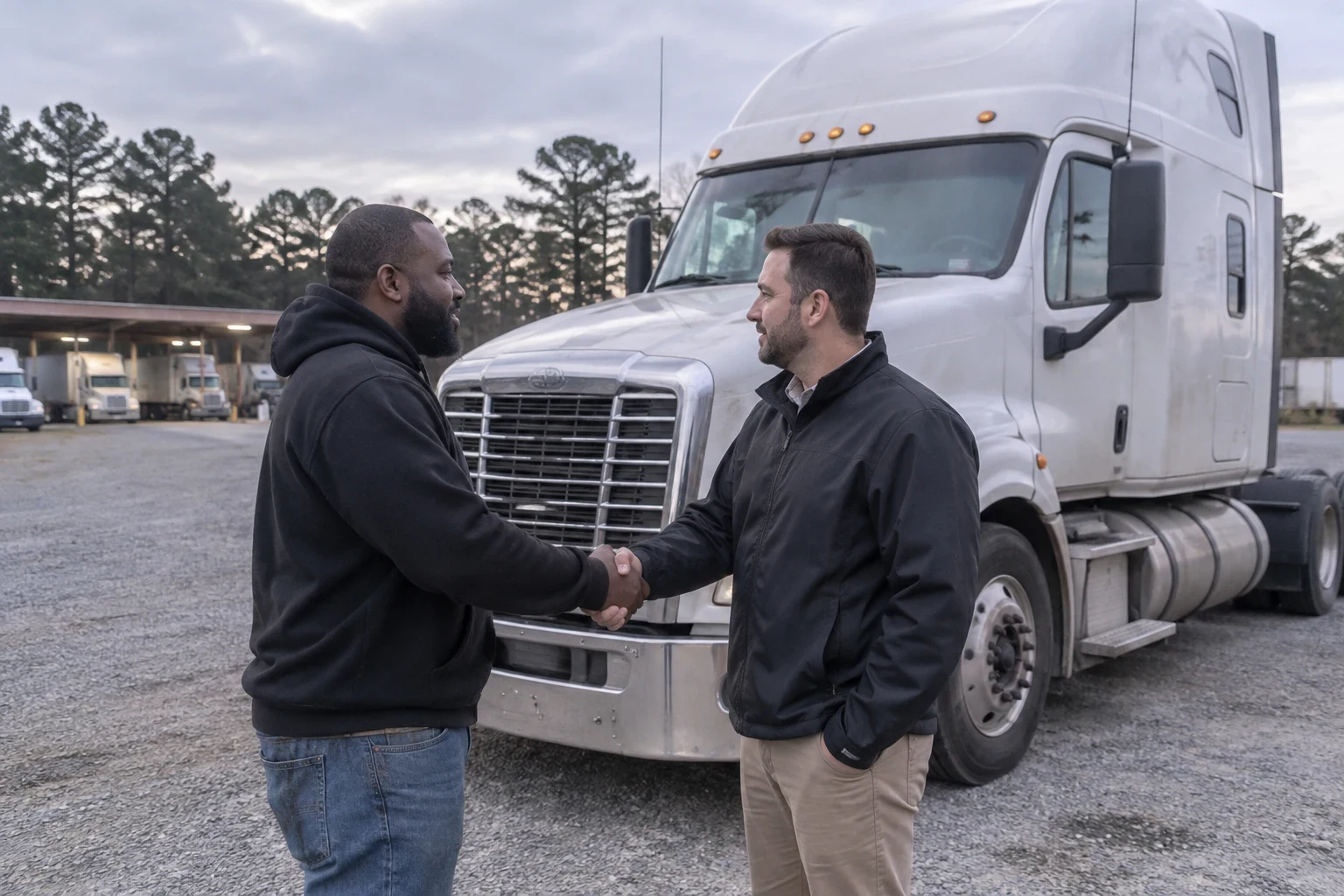
Keep your authority on solid footing
Tell us about your trucks and the contracts you want to win. We will walk you through the limits and filings that fit, and keep them current as your operation grows.