ServicesDump Truck and Construction Truck Insurance
Dump Truck and Construction Truck Insurance in Lawrenceville
We write coverage for dump trucks, roll-offs, mixers and other construction trucks, then keep it current as your trucks age, your contracts change and your hauling radius grows. You get a policy that matches the work you actually do, explained line by line.
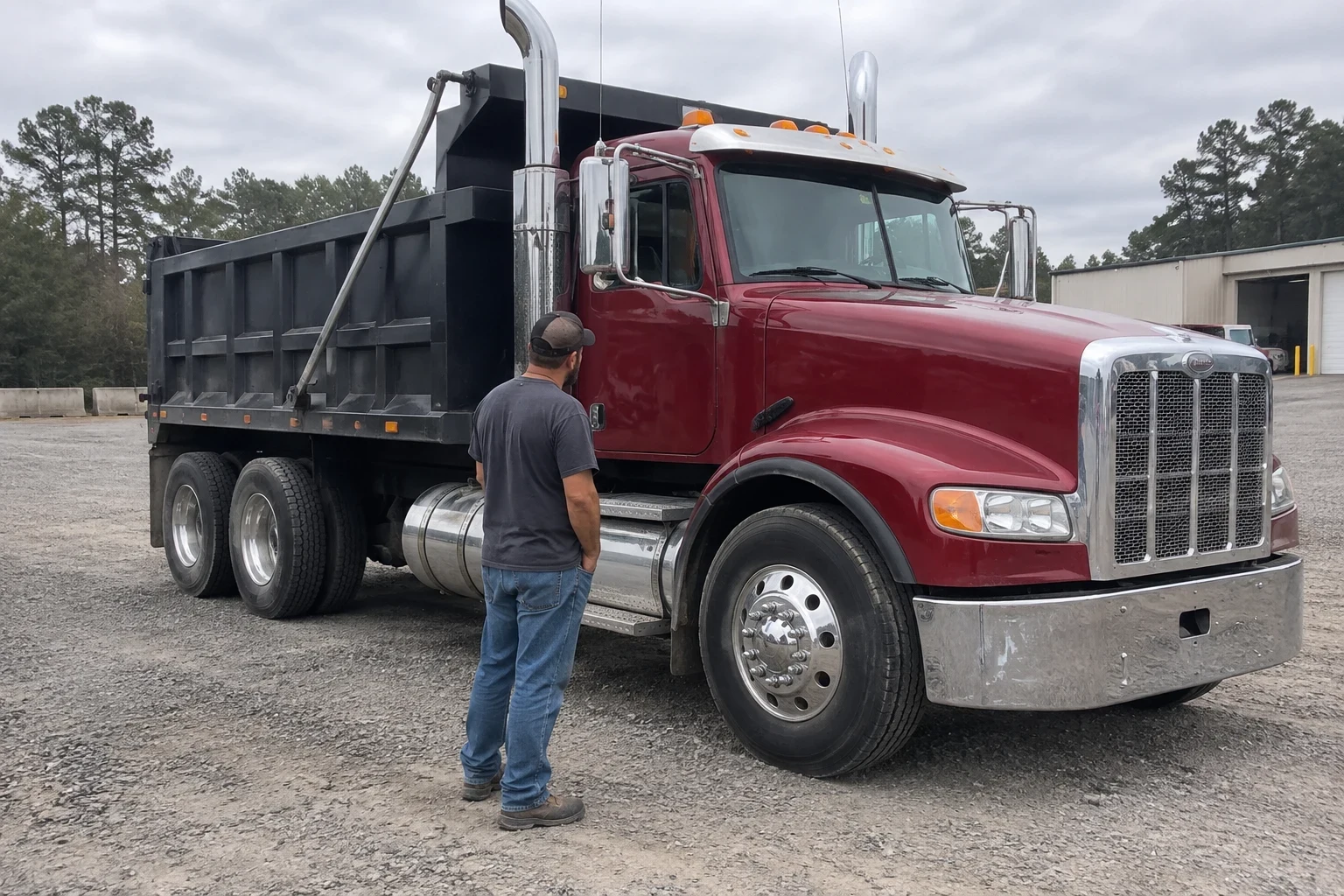
Coverage built for trucks that work hard every day
Construction trucks wear differently than over-the-road rigs. Short trips, heavy loads, job site dirt and constant cycling of the hoist all show up in claims, and insurers price that risk on its own terms. We set up dump truck and construction truck insurance around what you haul, how far you run and who you haul for.
The first policy is only part of the job. A truck that was financed last year may be paid off now, a new general contractor may want higher limits on a certificate of insurance, or you may have added a second driver. We revisit the coverage before each renewal so the policy keeps fitting your operation instead of drifting out of step with it.
We work with operators in Lawrenceville and nearby towns like Dacula, Grayson and Loganville, at our office or by phone and video.
What your policy can include
Primary auto liability
If your truck is at fault in a crash, this is the coverage that answers for the other driver's injuries and property. We choose limits that meet your filings and whatever minimums your contracts set. Our Primary Auto Liability Insurance page goes into more detail.
Physical damage for truck and body
Collision and comprehensive coverage for the chassis, the dump body and the hydraulic hoist. We list values carefully so a claim reflects what the truck is really worth.
Cargo coverage when it applies
Hauling your own fill dirt is different from hauling a customer's materials. We check whether motor truck cargo coverage is needed and leave it off when it isn't.
Certificates for contractors
General contractors and municipalities often ask for a certificate of insurance, sometimes with specific endorsement wording that names them on your policy. We issue them and keep the details accurate.
Filings for your DOT number
If you run under your own authority, we handle the required filings so your DOT number and MC authority stay in good standing.
Renewal reviews
Before each term ends, we go over trucks, drivers, radius and loss history with you. Coverage that no longer matches the work gets adjusted.
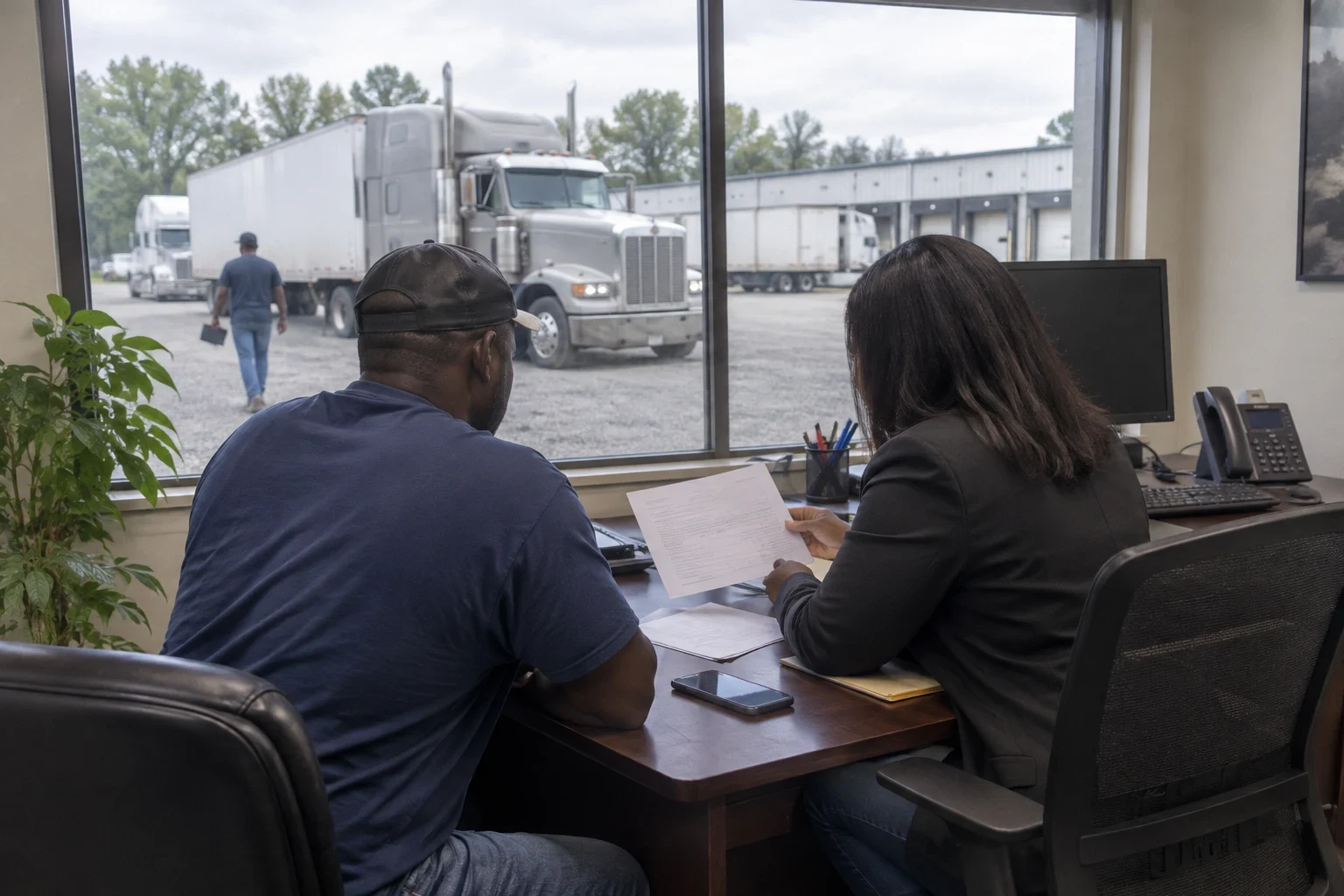
Signs your coverage needs a closer look
- A contract asks for higher limits
- A new job requires limits your policy doesn't carry. It is easier to sort that out before the bid than after the award.
- A truck was paid off or replaced
- Lenders set physical damage requirements while a note is open. Once it is paid, the right deductible and stated value may be different, and a newer replacement truck needs its value listed correctly from day one.
- Your radius has grown
- Running gravel across county lines or into neighboring states can change how the policy should be rated. Coverage written for short local hauls may not fit longer runs.
- New drivers on the schedule
- Adding a driver, especially one with less experience or recent violations, affects the policy. Insurers want to know before that driver takes a load.
- Different materials
- Moving from aggregate to demolition debris or hot asphalt changes the risk. The policy should describe the work as it is today.
How we set up your coverage
- 1
A conversation about the work
We start with a phone call, a video meeting or a visit to our office. We ask what you haul, where the typical job sites are, how far the trucks run and who drives them.
- 2
Gathering the details
We collect VINs, truck values, driver license information, your DOT number and loss runs from prior insurers. Complete information up front leads to a cleaner, more accurate quote.
- 3
Reviewing options line by line
We walk through each coverage, limit and deductible in plain terms, including what a policy will not cover. You decide what to carry.
- 4
Binding and paperwork
Once you choose, we bind the policy, issue certificates of insurance and complete any filings so your trucks can get to work.
- 5
Care through the term
We handle changes as trucks and drivers come and go, and we review the whole policy with you before renewal.
What shapes your premium
Construction truck premiums depend on the details of your operation. We explain which factors carry the most weight for you so the number on the quote makes sense. Several of them are things you can improve over time.
- Driver records and experience
- Motor vehicle records, years behind the wheel of a heavy truck and the number of drivers all matter. Careful hiring shows up in the premium.
- Truck values and age
- Higher stated values raise physical damage costs. Older trucks may be cheaper to cover for damage but still carry full liability exposure.
- Radius and materials hauled
- Local aggregate work rates differently than long runs or demolition debris. Hauling for others can add cargo coverage to the picture.
- Loss history
- Prior claims follow your operation for several years. A clean record built over consecutive terms is one of the steadiest ways to bring a premium down.
- Limits and deductibles
- Contract-required limits set a floor. Deductibles are where you have room to balance monthly cost against what you can cover after a claim.
Questions dump truck operators ask us
- Do I need cargo coverage to haul dirt and gravel?
- Often not, if the material is yours or has little value. If you haul a customer's materials or a contract requires it, motor truck cargo coverage may make sense. We look at who owns the load and what your agreements say before recommending it.
- Is my truck covered while it sits parked at a job site?
- Comprehensive physical damage coverage generally applies to losses like theft, vandalism, fire and falling objects while the truck is parked. We confirm what your specific policy includes and point out any exclusions so there are no surprises after a loss.
- Can a general contractor be named on my policy for a job?
- Yes, when the policy allows it. We read the contract wording, request the right endorsement if one is needed and issue the certificate of insurance. Sending us the contract language early helps avoid delays at the start of a job.
- I only run locally. Do I still need filings?
- It depends on how you operate. For-hire interstate work generally means federal filings tied to your DOT number and MC authority, and intrastate hauling can carry state requirements of its own. We look at how your trucks actually run and tell you what applies.
- I have one dump truck. Is that something you write?
- Yes. Single-truck operators are a large part of construction hauling, and our Owner-Operator Truck Insurance page covers that setup. If you add trucks later, we can move you toward a structure like the one on our Fleet Truck Insurance page.
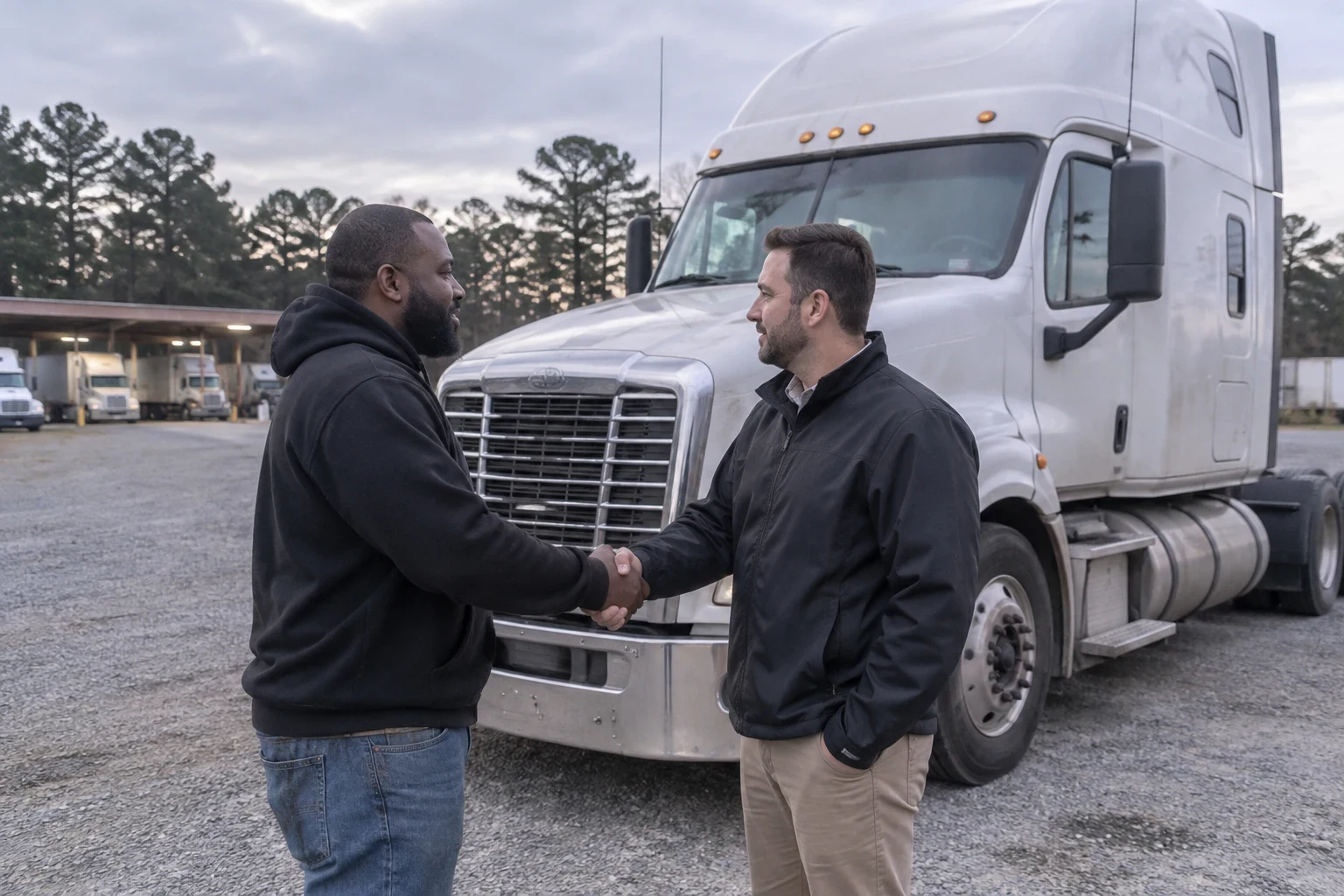
Let's look at your trucks together
Tell us what you haul and how you run. We'll lay out the coverage that fits and keep it current through the seasons ahead.