ServicesPhysical Damage Insurance
Physical Damage Insurance in Lawrenceville
This coverage repairs or replaces your own tractor and trailer when a crash, fire, theft or hailstorm puts them out of service. We agree on a realistic value for each unit, pick a deductible your cash flow can handle, and revisit both as the equipment wears and gets rebuilt.
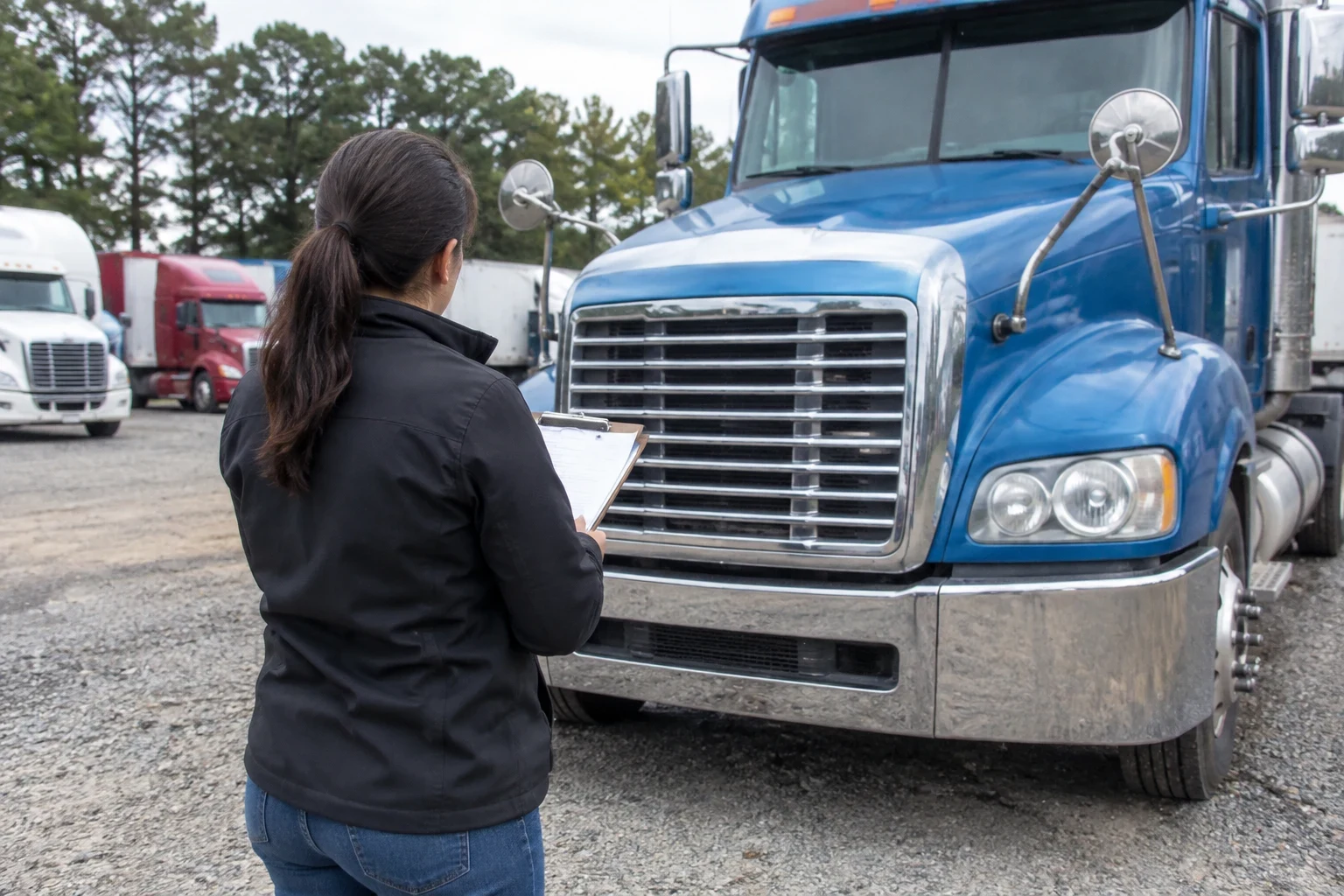
Coverage for the equipment you depend on
Liability answers for damage you do to other people. Physical damage answers for your own equipment. It comes in two parts: collision, for crashes and rollovers, and comprehensive, for fire, theft, vandalism, falling objects, flood and hail. Without it, one rough day can sideline a paid-off truck with nothing coming back to replace it.
A truck's worth does not stand still. It slips every year, then climbs a little after an engine overhaul or a fresh set of drive tires. A value set three years ago can have you paying premium on dollars you would never collect, or coming up short when you need a replacement. We look after this coverage over the life of the truck instead of setting a number once and walking away.
When a bank or leasing company has money in the truck, it will nearly always insist on this coverage and expect to be named on the policy. We take care of that paperwork as part of setting things up.
What we put in place
- Collision and comprehensive
- Both halves of the coverage, written for each power unit and trailer you want protected. We explain what each one responds to so there are no gaps you discover after a loss.
- A stated value that matches reality
- We work from your purchase price, recent repairs, mileage and what similar units are selling for. The goal is a figure you could defend at claim time.
- Deductibles chosen on purpose
- A higher deductible lowers premium, but only helps if you can cover it out of pocket. We show you the tradeoff side by side.
- Lienholder and lessor paperwork
- Loss payees are named correctly and a certificate of insurance goes to your lender or leasing company.
- Attached equipment and options
- Sleeper upgrades, aftermarket parts, APUs and permanently mounted equipment can be scheduled so they are not overlooked. Where carriers offer towing or rental reimbursement, we tell you what it costs and whether it fits your operation.
Signs your physical damage coverage needs attention
The value has not changed in years
If the figure on your declarations page still matches the day you bought the truck, it has likely drifted away from what the unit is worth now.
You paid off the loan
With the lender out of the picture, the decision is yours. Some owners keep full coverage, some raise the deductible, and a few drop collision on older units. It is worth a real conversation.
You leased on to a motor carrier
Signing on with a carrier rarely means its policy protects your own tractor. Most leases expect the owner-operator to carry physical damage personally, alongside non-trucking liability (bobtail) insurance.
New equipment or a major rebuild
A fresh engine, a new trailer or added equipment changes what you stand to lose. Coverage should follow.
Your truck sits outside
Spring hail and summer thunderstorms across Gwinnett County are rough on parked equipment. Comprehensive is the part that responds, so check that it is on the policy with a deductible that makes sense.
How we set it up
- 1
A conversation by phone or video
We ask about each unit: year, make, model, VIN, mileage, condition, recent work and whether it is financed. You can also sit down with us at our office if you prefer.
- 2
Settling on values and deductibles
We talk through a realistic stated value for each truck and trailer and two or three deductible options, so you see how each choice moves the premium.
- 3
Comparing carriers
We take your operation to the markets that write this coverage and bring back quotes with the differences spelled out plainly, including any exclusions worth knowing.
- 4
Binding and paperwork
Once you choose, we bind the policy, name your lienholder or lessor, and send the certificate of insurance where it needs to go.
- 5
Periodic review
At renewal, and whenever you buy, sell or rebuild equipment, we revisit the values so the policy keeps pace with your trucks.
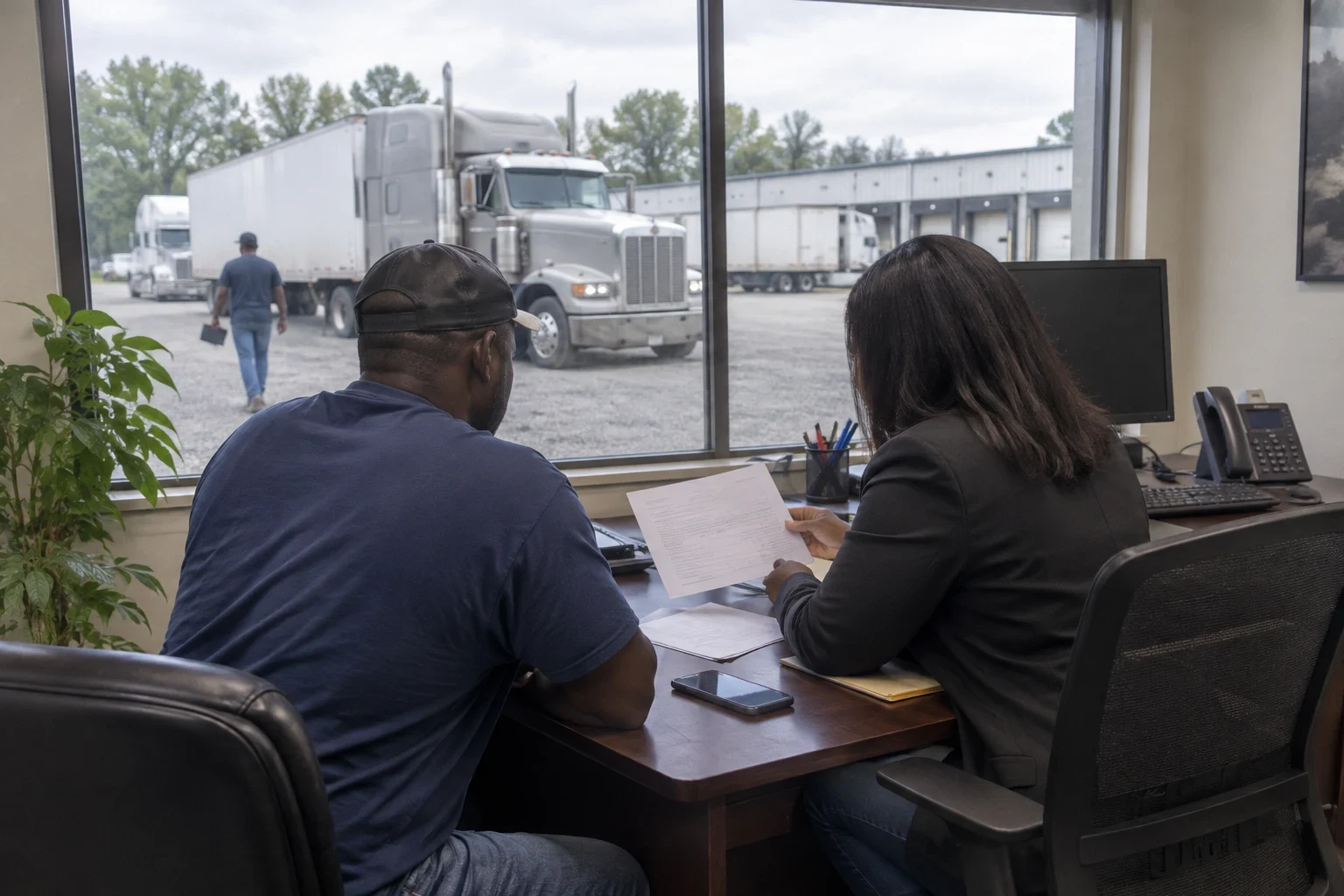
What moves the premium
Most of a physical damage premium comes down to two questions: what the truck or trailer would cost to repair or replace, and how often units like it get hurt. We can go through each line of your quote by phone and point out which choices are in your hands.
- Stated value
- A larger agreed value means a larger premium. Keeping that figure honest stops you from paying for value an aging unit no longer has.
- Deductible
- A bigger deductible brings the premium down, but you carry more of each claim yourself.
- Type and age of equipment
- A late-model sleeper tractor, a hotshot pickup and a tandem dump truck each come with very different repair bills and theft risk.
- Drivers and claim history
- Clean MVRs and a quiet loss record work in your favor. A recent accident tends to stay in the rate for a few years.
- Where and how the truck runs
- Your radius, the roads you travel and where the truck spends the night all feed into the rate.
Physical damage questions we hear often
Something not covered here? (770) 203-1136
Is physical damage required by the FMCSA?
No. Federal filings deal with liability to others, not damage to your own equipment. The requirement usually comes from a lender, a leasing company or a motor carrier you are leased on to. If none of those apply, the choice is yours, and we will help you think it through.
How is stated value different from actual cash value?
Stated value is a figure agreed on with the carrier when the policy is written. Actual cash value is what the unit is worth on the day of the loss, after depreciation. Many truck policies pay whichever of the two is lower, so an inflated stated value rarely helps you. We will walk through the settlement wording in your policy before you sign.
Does the motor carrier I am leased to cover my truck?
Usually not for damage to your own unit. A carrier's policy generally handles primary auto liability while you run under its dispatch. Your lease agreement spells out what you are expected to carry, and we are glad to read through it with you.
Should my trailer be on the same policy?
If the trailer belongs to you, it can sit on the same policy with its own value. Trailers you pull but do not own are handled by trailer interchange insurance, a separate coverage we can also arrange.
How often should I update my values?
At each renewal at the least, and whenever you buy, sell, rebuild or add equipment. A short review keeps you from paying for value that has already worn off.
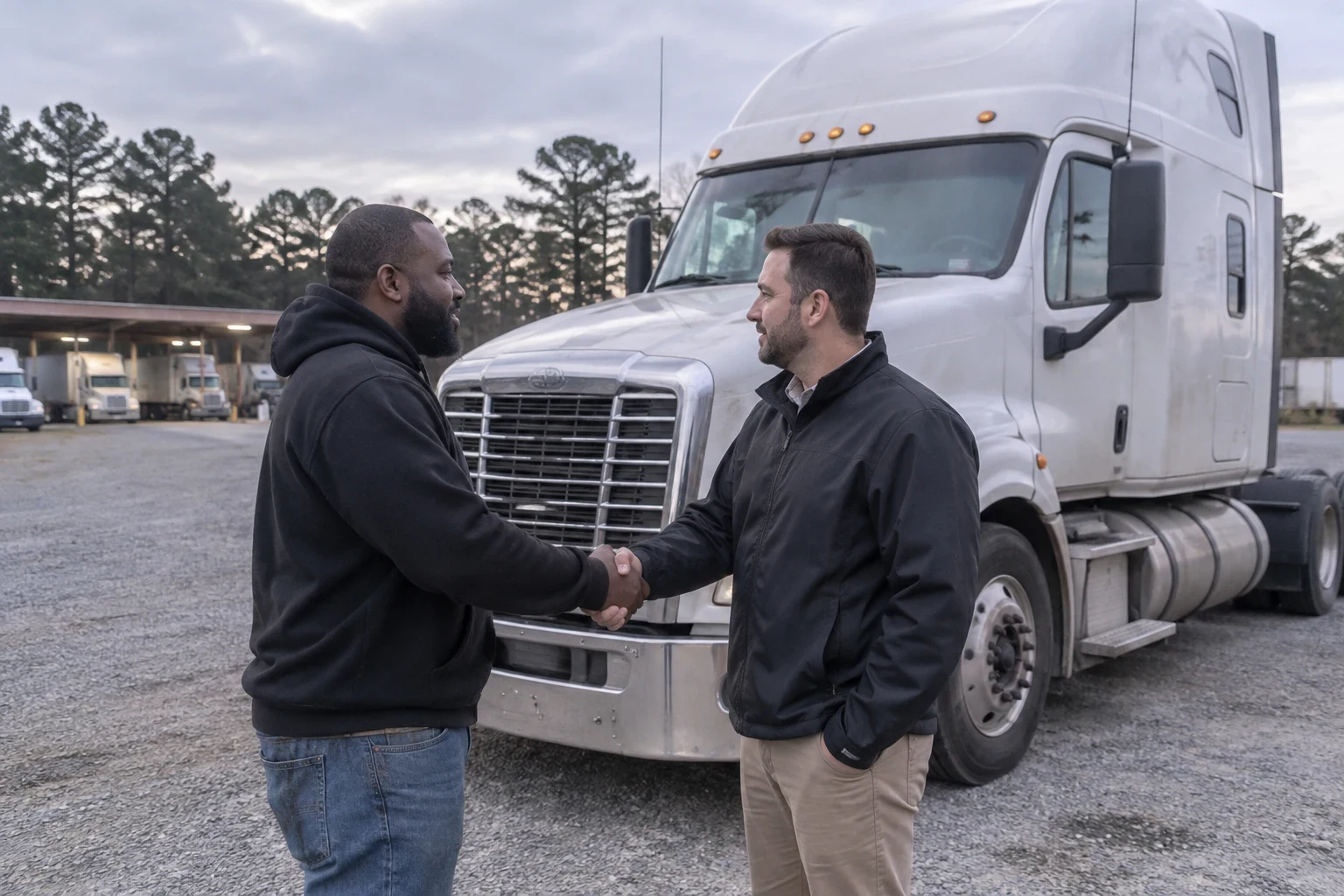
Keep your coverage in step with your trucks
Have your VINs and lender details handy and we will walk through values, deductibles and options together. Serving Lawrenceville, Duluth, Snellville and the surrounding area.