ServicesHotshot Truck Insurance
Hotshot Truck Insurance in Lawrenceville
We insure hotshot operators running one-ton pickups with gooseneck and flatbed trailers. We set up liability, cargo and physical damage around the loads you actually haul. Then we keep the policy current as your equipment, lanes and broker requirements change.
What hotshot coverage is built to do
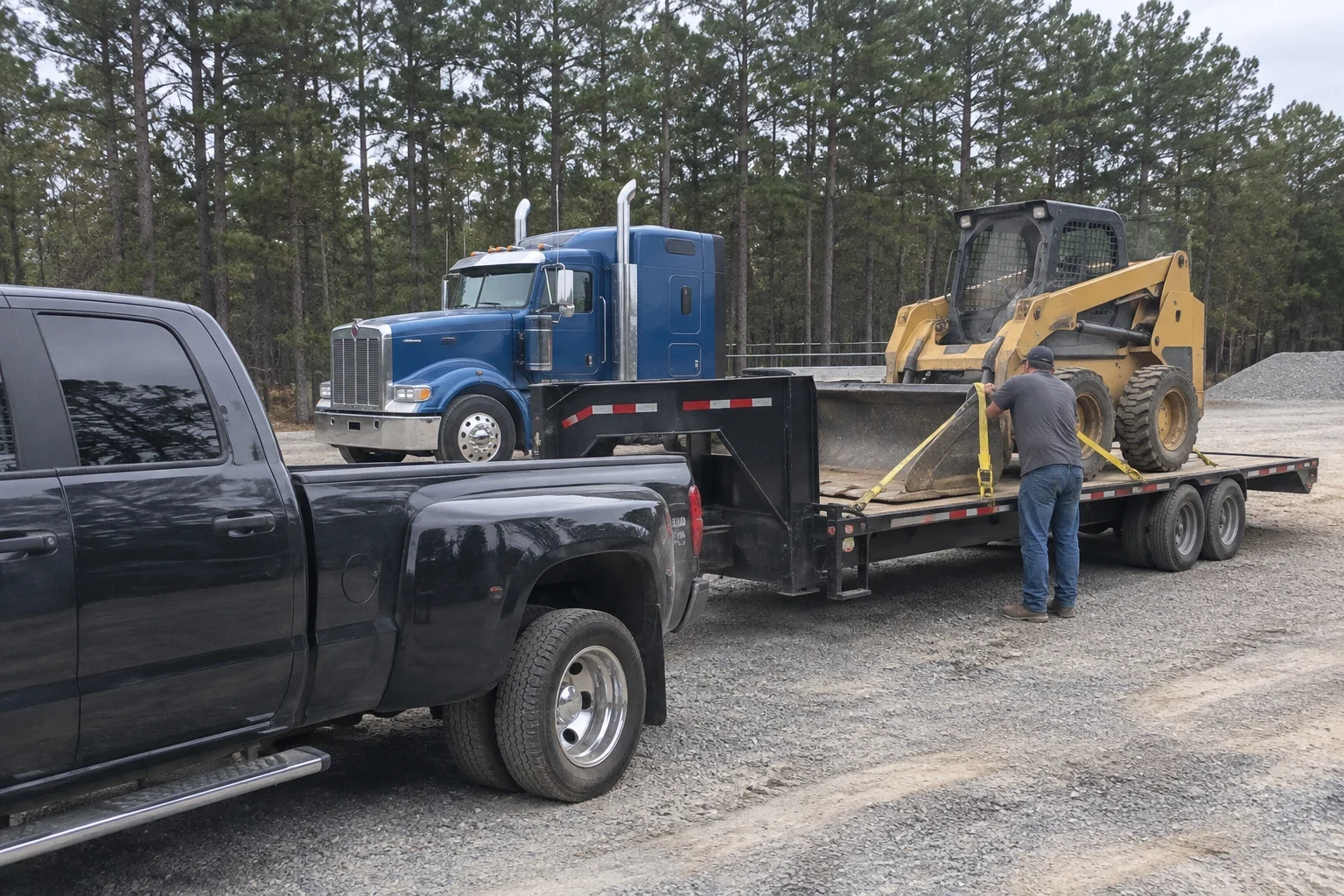
Hotshot work falls between two worlds. From the road the rig looks like a pickup, yet once the combined weight rating of truck and trailer goes past 10,001 pounds and you are paid to move someone else's freight, federal rules call for a DOT number. Run loads into other states and MC authority comes into it as well. With that come federal liability filings, cargo minimums set by brokers and the same attention a tractor-trailer carrier receives.
We assemble a hotshot policy one part at a time: primary auto liability with the correct filing, motor truck cargo coverage at the limit your brokers expect, and physical damage on both the truck and the trailer. Depending on how you run, some operators add trailer interchange or non-trucking liability.
What tends to get overlooked is maintenance. Coverage set up for flatbed lumber in your first year seldom suits the machinery and oilfield freight you might be pulling by year three. We sit down with you on a regular schedule so the policy grows with your operation.
What we arrange on a hotshot policy
- 01
Primary auto liability and filings
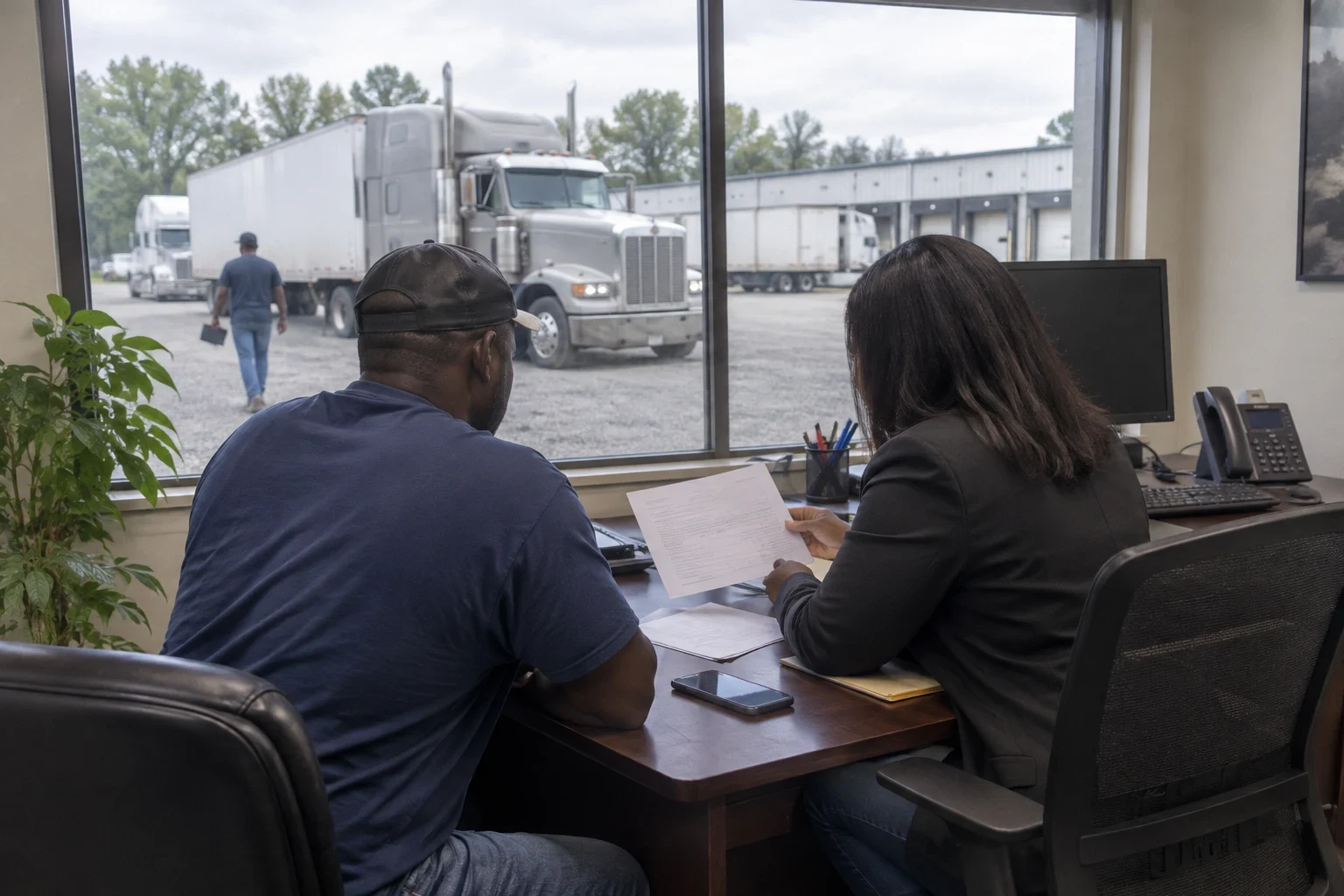
We place liability at or above the federal minimum for your setup and file proof with the FMCSA. If you run only inside Georgia, we handle the state side instead.
- 02
Cargo coverage matched to your loads
Brokers commonly ask for a set cargo limit before they will tender a load. We check which commodities are excluded, because equipment, vehicles and high-value freight are where hotshot cargo claims tend to get denied.
- 03
Physical damage on truck and trailer
We list the pickup and the gooseneck or flatbed separately, with values that reflect what each would cost to replace. Upfits like dually beds, hitches and toolboxes get noted so they are not left out of a claim.
- 04
Certificates of insurance
When a broker or shipper needs a certificate of insurance, we issue it with the correct holder and limits.
- 05
Annual and mid-term reviews
Before renewal we go over your loads, mileage, drivers and equipment. Adding a second truck or a new trailer mid-term is handled as a change, not a scramble.
Questions about Hotshot Truck Insurance?
Call(770) 203-1136Signs your hotshot coverage needs attention
A broker turned down your certificate
The cause is often a cargo limit below what they require, an excluded commodity or incorrect holder wording. All three can be corrected, but every day it waits is a day of lost loads.
Your loads changed
Going from building materials to machinery, vehicles or oilfield equipment shifts your cargo exposure. Many cargo forms bury those exclusions in the fine print.
You bought a new trailer
A longer gooseneck or a deck with a higher rating can push combined weight over CDL thresholds. It also needs its own physical damage value.
You are leasing on or going independent
Driving under another carrier's authority calls for different coverage than holding your own. Your bobtail and liability needs reverse when you make that move.
Renewal arrived with a surprise
A large increase with no explanation deserves a line-by-line look. A driver change, a claim or an outdated vehicle value is often behind it.
How we set up your hotshot policy
- 1
Learning how you run
We start with a conversation at our office or by phone or video about your truck, trailer, drivers, usual freight and the routes you cover. Having your DOT number and MC authority status handy, if you hold them, speeds things along.
- 2
Shopping carriers that write hotshot
Some insurers handle hotshot risks far better than others. We bring your details to the ones that do, then compare the policy wording side by side along with the premium.
- 3
Walking you through the options
Limits, deductibles and exclusions get explained in plain language, so you know exactly what the policy does before you sign.
- 4
Filings and certificates
Once the policy is bound, we file the required proof of coverage and send certificates to your brokers. You get back to hauling loads instead of chasing paperwork, and if a broker needs another certificate later, one phone call to us takes care of it.
- 5
Ongoing care
We reach out ahead of renewal and any time your equipment or freight shifts, so the policy keeps matching the work.
What shapes a hotshot premium
Hotshot pricing depends on the details of your operation more than on the truck alone. We show you which factors are moving your quote, so you can see where a change would help. Some, like driving record, take time to improve. Others, like deductibles, you can adjust today.
- Driver history and experience
- Motor vehicle records, years of commercial driving and CDL experience weigh heavily. A newer driver or recent violations will raise the premium.
- Authority age
- Carriers price new MC authority more cautiously. Rates usually ease as you build a clean record over the first years.
- Freight and radius
- Long interstate runs and higher-value loads like machinery or vehicles cost more to insure than shorter regional work out of the Lawrenceville area.
- Equipment values and deductibles
- A newer one-ton and a heavy gooseneck carry higher physical damage premiums. Choosing a higher deductible lowers the cost if you can carry that risk.
Common questions from hotshot drivers
When does a hotshot setup need a DOT number?
In most cases it does. Once the pickup and trailer together carry a combined weight rating above 10,001 pounds and you haul paid freight across state lines, federal rules require a DOT number. MC authority usually follows from the same kind of work. Tell us about your truck and trailer on a call and we can look at your exact setup.
How much cargo coverage should I carry?
Begin with the brokers you haul for, since many set a minimum cargo limit they expect on your certificate. Then think about your highest-value load, because machinery and vehicles often go past that minimum. We size the limit to the freight you really move, so your best-paying loads are covered without paying for far more than you use.
Can I insure a hotshot truck if my authority is brand new?
Yes. Fewer carriers write new authority, and they price it more carefully, but coverage is available. Our New Authority Truck Insurance page walks through that path in more detail.
Does my personal pickup policy cover hotshot loads?
No. Personal auto policies exclude hauling freight for pay. Once the truck earns money moving loads, it belongs on a commercial policy with the proper filings in place.
What happens if I add a second truck?
We add it as a change to your current policy, list the driver and update your filings and certificates. If you end up running several units, our Fleet Truck Insurance page explains how that coverage is usually arranged.
Keep your hotshot policy fitting the work
Tell us about your truck, trailer and the loads you run. We will lay out your options clearly and keep the coverage current as your operation grows.