ServicesBobtail Insurance
Non-Trucking Liability (Bobtail) Insurance in Lawrenceville
Once you lease onto a motor carrier, its policy follows you while you haul its freight. Trips outside dispatch fall on you. We arrange non-trucking liability that fits the terms of your lease, then revisit it each year so it keeps pace with your work.
What non-trucking liability covers, and when you need it
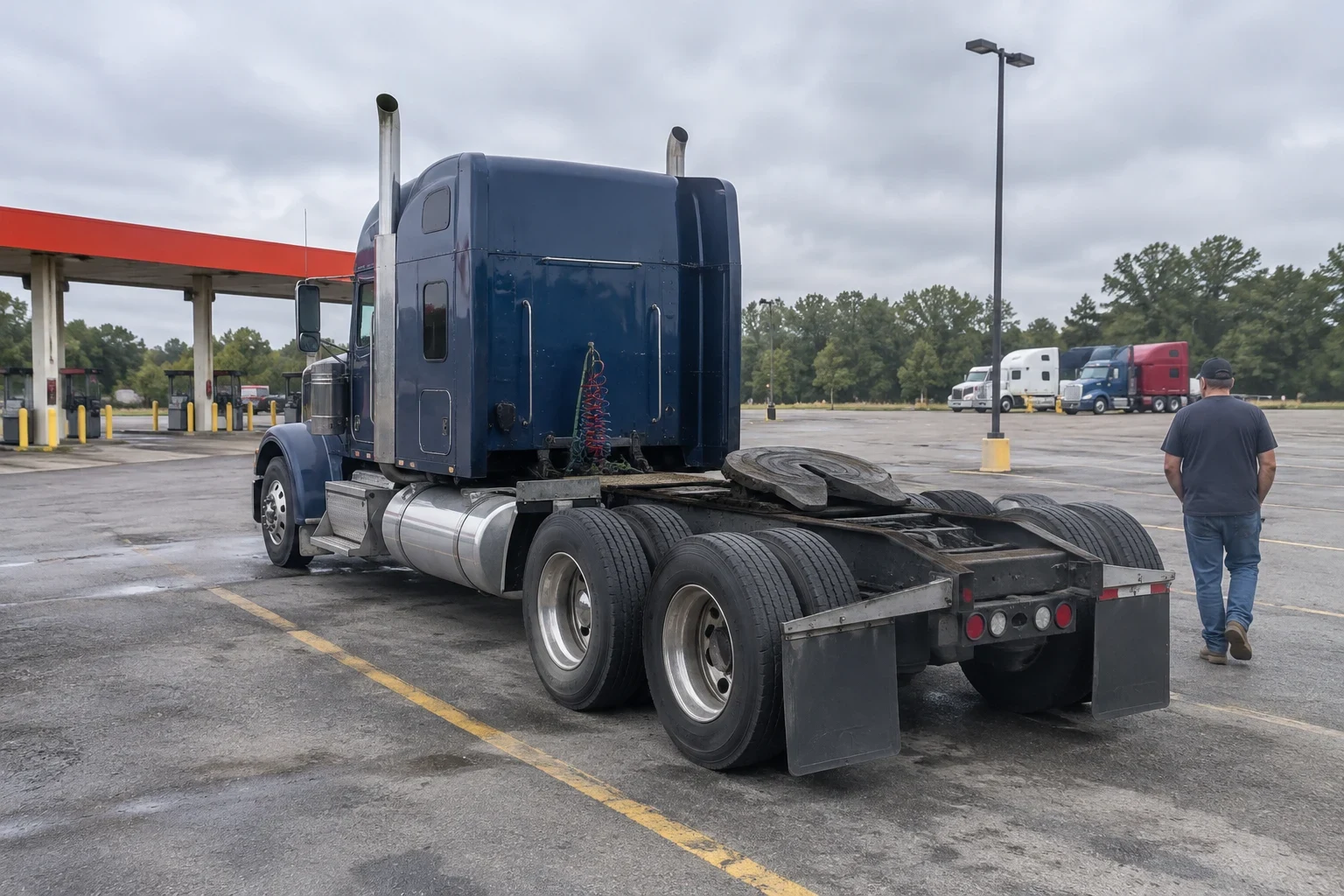
Non-trucking liability, often called bobtail insurance, protects a leased owner-operator when the truck is used for something other than a load. Driving home after a delivery, taking the tractor to the shop on a weekend, or running an errand with it are typical examples. If you cause an accident during those trips, this policy responds to the injury and property damage claims against you.
It is the right fit when you run under someone else's MC authority. The carrier's primary auto liability covers you while you are working for them. Most lease agreements require you to carry non-trucking liability for everything else, and the carrier will ask for a certificate of insurance before you start.
Operators who hold their own authority need a different policy. In that case primary auto liability does the work, and our Primary Auto Liability Insurance page lays out how it fits, or we can talk it over with you by phone.
What we put in place for you
- A limit that matches your lease
- We read the insurance section of your lease and set the liability limit it asks for. Carriers differ, so we confirm the number rather than guess.
- Certificate of insurance for your carrier
- We issue the certificate with your carrier named exactly as their contract specifies, including any endorsement wording they request. If they need an updated copy later, we send it.
- Clear dispatch boundaries
- We explain in plain terms where this policy stops and the carrier's coverage begins. Knowing that line before a claim matters more than learning it after one.
- Pairing with physical damage
- Non-trucking liability does not pay to repair your own truck. Many owner-operators add physical damage insurance, and we can quote both together so the pieces fit.
- A yearly review
- Leases change, trucks get replaced, and carriers update their requirements. We look at your policy before each renewal so it keeps doing its job.
Signs it is time to look at bobtail coverage
You just signed a lease
New leases almost always list non-trucking liability as a requirement. The carrier will want proof before your first load.
You are switching carriers
A new carrier may ask for a different limit or different wording on the certificate. Your current policy may need adjusting, not replacing.
Your truck goes home with you
If the tractor sits at your place in Lawrenceville or a nearby town and you drive it off the clock, those miles need their own coverage.
You are unsure what you already have
Some operators have a policy their carrier set up through payroll deductions and have never seen the terms. We can review it with you and explain what it does and does not cover.
You are moving to your own authority
Once you get your own MC authority, bobtail coverage no longer fits. That shift calls for primary liability and filings, and the timing of the change matters.
How we set it up
- 1
A conversation about your lease
We talk at our office, by phone or over video. Have your lease, your DOT number if you have one, and your truck details nearby.
- 2
We read the requirements
We go through the insurance terms in your lease and note the limit, the certificate wording and any endorsements the carrier expects.
- 3
Your quote, explained
We shop the coverage and go over the quote line by line, including what is excluded. You decide with the full picture.
- 4
Coverage in force, paperwork delivered
When you give the go-ahead, the policy is put in force. Your carrier and you each receive the certificate showing the coverage they asked for.
- 5
Ongoing upkeep
We stay on the file. When you change carriers, trucks or routes, we adjust the coverage so it does not drift out of step with your operation.
What moves the premium
Non-trucking liability is usually one of the less costly pieces of a trucking program, because it only applies outside dispatch. The premium still varies from one operator to the next. These are the factors that weigh most.
- Liability limit
- Your lease sets the minimum. A higher limit raises the premium, so we match what the carrier requires and explain whether more makes sense for you.
- Driving record
- Violations, accidents and years of commercial driving experience all shape the rate. A clean record over time is the steadiest way to keep the premium in check.
- Truck and garaging location
- The type of tractor and where it is parked overnight both factor in. Rating areas around metro Atlanta can differ from rural ones.
- How the truck is used off dispatch
- Occasional trips to the shop rate differently than regular personal use. We ask so the policy reflects how you actually drive.
Questions about bobtail insurance
Something not covered here? (770) 203-1136
Is bobtail insurance the same as non-trucking liability?
The terms are often used interchangeably, but they are not always identical. Non-trucking liability covers you when you are not under dispatch, with or without a trailer. Some bobtail policies are written around driving without a trailer instead. We check which form your carrier asks for and make sure the policy you get matches.
Does it cover me driving to pick up a load?
Generally no. Once you are dispatched, including heading to a pickup, the carrier's primary liability is expected to apply. Non-trucking liability is for trips that are not part of the carrier's business.
Will it pay to fix my truck after an accident?
No. This policy covers your liability to others, meaning their injuries and their property. Damage to your own tractor is covered by physical damage insurance, which you can carry alongside it.
My carrier already deducts insurance from my settlement. Do I need my own?
It depends on what that deduction pays for. Some carriers offer non-trucking liability through a group program, and some deductions go toward something else entirely. Walk us through the settlement details by phone and we will tell you plainly if it already covers you or if a separate policy would serve you better.
What happens to the policy if I leave my carrier?
The policy can often stay in place and be updated for your next lease. If you are moving to your own authority, we help you time the switch to primary liability so there is no gap.
Keep your off-dispatch miles covered
Tell us about your lease and your truck, and we will set up non-trucking liability that fits now and keep an eye on it as things change. We work with leased owner-operators from Lawrenceville to Duluth and Snellville.