ServicesMotor Truck Cargo Insurance
Motor Truck Cargo Insurance in Lawrenceville
Motor truck cargo insurance covers the freight you are hauling for someone else when it is damaged, stolen or lost. We write it around your real commodities and the limits your brokers ask for, then keep it current as your operation grows.
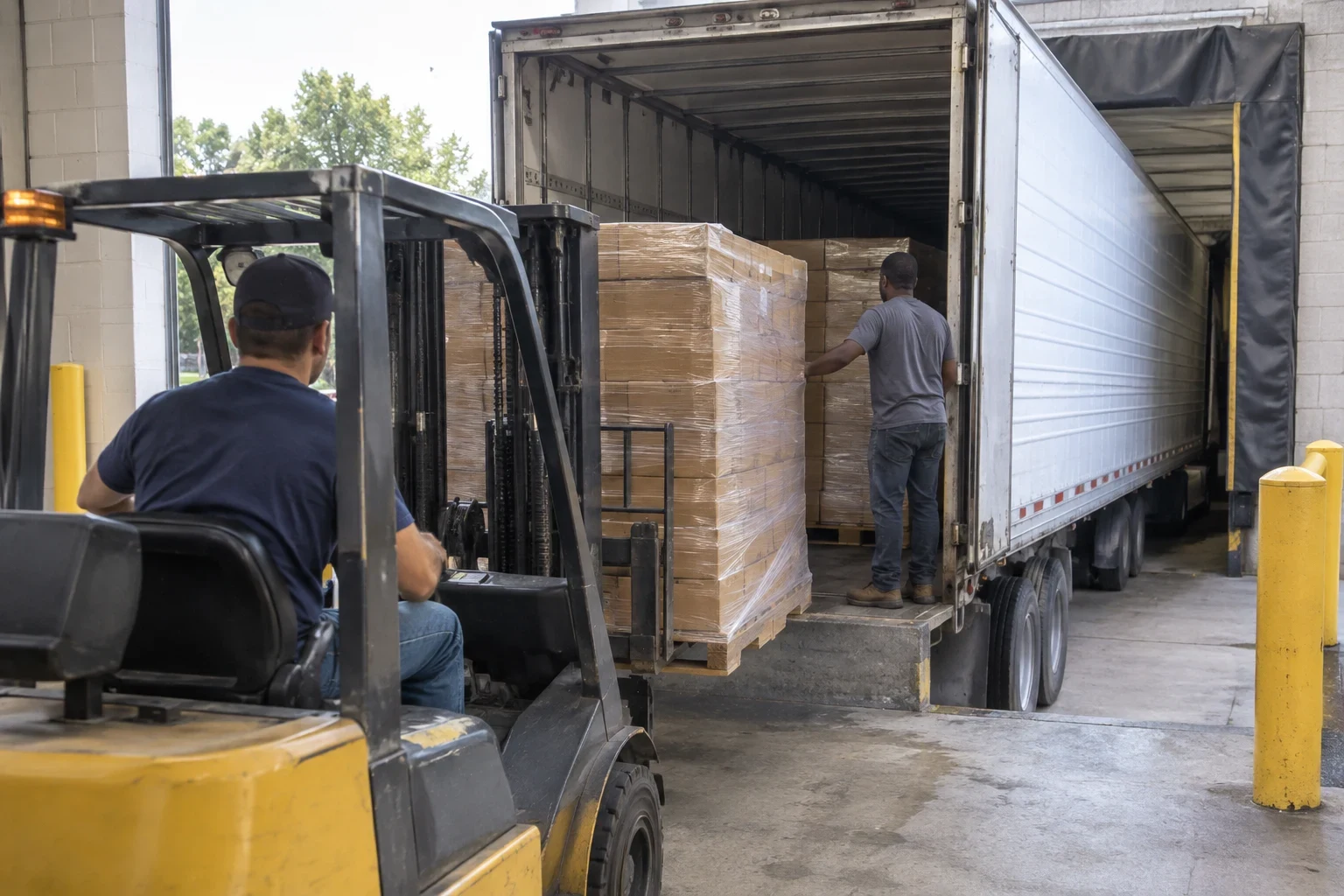
What cargo coverage does, and when you need it
When you haul for hire, the load on your trailer belongs to a shipper. If it is crushed in a rollover, soaked by a failed roof seal or driven off from a lot, the shipper and the broker will look to your policy. Cargo coverage is the part of your insurance that answers for that freight.
Most brokers and shippers will not tender a load without a certificate of insurance that shows cargo coverage at a set limit. That makes it a working requirement for most motor carriers, not an optional extra.
A cargo policy is only as good as its fit. The list of covered commodities, the exclusions and the deductible decide whether a claim gets paid. We spend our time on those details at the start, and we come back to them as your freight changes, so the policy you rely on still matches the loads you carry a year or two from now.

What we look at when we write your cargo policy
- 01
Commodity list
We go through what you actually haul, line by line. Some policies exclude or limit high-theft freight such as electronics, tobacco or alcohol, and some treat metals, livestock or used furniture and personal effects separately. We want your real loads on the policy, not a generic description.
- 02
Limits that match your brokers
Each broker sets its own cargo minimum, and some loads call for more. We set a limit that covers the freight you move most often and talk through when a higher limit is worth carrying.
- 03
Reefer breakdown
If you pull a refrigerated trailer, many cargo forms leave out spoilage caused by a failed unit unless that protection is added by endorsement. We confirm whether yours has it and what conditions come with it, such as keeping service records on the unit.
- 04
Theft and unattended vehicle terms
Many cargo losses happen while a truck is parked. We read the unattended vehicle and theft conditions with you so you know where and how you can leave a loaded trailer.
- 05
Certificates and broker paperwork
Once the policy is bound, we issue certificates of insurance to the brokers and shippers you work with and help when a broker asks for specific wording or an added certificate holder.
Questions about Motor Truck Cargo Insurance?
Call(770) 203-1136Signs your cargo coverage needs attention
A broker turned down your certificate
If a load board or broker rejects your paperwork, your limit or commodity list may not meet their terms. That is usually fixable, but it is worth sorting out before the next load.
You started hauling new freight
Moving from dry van general freight to produce, building materials or electronics can put loads outside your current policy. A quick review now prevents a denied claim later.
You added a reefer or a trailer type
A new trailer can change what the policy needs, from reefer breakdown to how flatbed tarping and securement are treated.
Your deductible is a guess
The amount you would cover yourself on a damaged load should be a number you know, not one you discover after the fact. If it is unclear, the policy was never properly explained, and that is worth fixing before a claim comes up.
Your renewal arrived with no conversation
A policy that renews year after year without anyone checking your freight can drift away from your operation. Renewal is the natural time to look again.
How we set up and look after your cargo coverage
- 1
A conversation about your freight
We talk at our office, by phone or by video. We ask what you haul, which brokers you run for, your trailer types, and where your trucks park overnight.
- 2
Your quote, explained
We gather quotes and walk you through the commodity list, exclusions, deductible and limit for each. You see where the policies differ, not just where the premium differs.
- 3
Binding and certificates
Once you choose, we bind the coverage and send certificates of insurance to the brokers and shippers who need them, so you can get back to booking loads.
- 4
Ongoing upkeep
When you add a truck, change trailers or pick up a new type of freight, we adjust the policy. Each renewal we review your loss history and your loads so the coverage keeps fitting.
What shapes your cargo premium
Cargo pricing comes down to how much risk sits on your trailer and how likely a loss is. We show you which factors are moving your premium so the number makes sense. Some of them you can improve over time.
- What you haul
- High-value or high-theft commodities and temperature-sensitive loads cost more to cover than general dry freight.
- Limit and deductible
- A higher cargo limit raises the premium. A higher deductible can lower it, as long as you could comfortably pay that amount on a claim.
- Trailer and equipment
- Reefers, flatbeds and enclosed vans carry different risks. Reefer breakdown coverage adds cost, and well-kept refrigeration units with service records help.
- Claims history and experience
- Past cargo claims and how long you have been operating under your own authority both weigh heavily. A clean record built over several renewals tends to work in your favor.
- Where your trucks park
- Secured yards and parking practices can affect theft risk and, with it, how carriers view your operation.
Questions about motor truck cargo insurance
Does my primary liability policy cover the freight I am hauling?
No. Primary auto liability pays for injuries and damage you cause to other people and their property. The load on your own trailer needs cargo coverage. Damage to your truck itself falls under physical damage insurance.
Why was my cargo claim denied when I had a policy?
The most common reasons are a commodity that was excluded or not listed, an unattended vehicle condition, or a reefer failure without breakdown coverage. That is why we read those sections with you before you bind. If you have a denial now, we can look at the policy language with you.
What cargo limit should I carry?
Start with what your brokers require and the typical value of your loads. If you sometimes haul freight worth more than your limit, we can talk about raising it or carrying a higher limit for those loads. The right answer depends on how often those loads come up.
Do I need cargo coverage as a leased owner-operator?
It depends on your lease. Some motor carriers cover cargo for their leased drivers, and some require you to carry your own. We can read your lease agreement with you and tell you what it asks for.
Can I change my cargo coverage mid-term?
Usually, yes. Adding commodities, raising a limit or adding reefer breakdown can often be handled by endorsement. Let us know before you take the new freight, not after.

Keep your cargo coverage in step with your loads
Start with a short conversation about your freight, your trailers and the brokers you run for. We will go through a cargo quote with you, point out the terms that decide a claim, and revisit the policy whenever your operation shifts.