ServicesCommercial Trucking Insurance
Commercial Trucking Insurance in Lawrenceville, GA
We assemble the protection a motor carrier relies on, from the liability behind your authority to coverage for equipment and freight, along with the federal paperwork that keeps you legal. Then we look after it, so the program still fits your trucks a year from now.
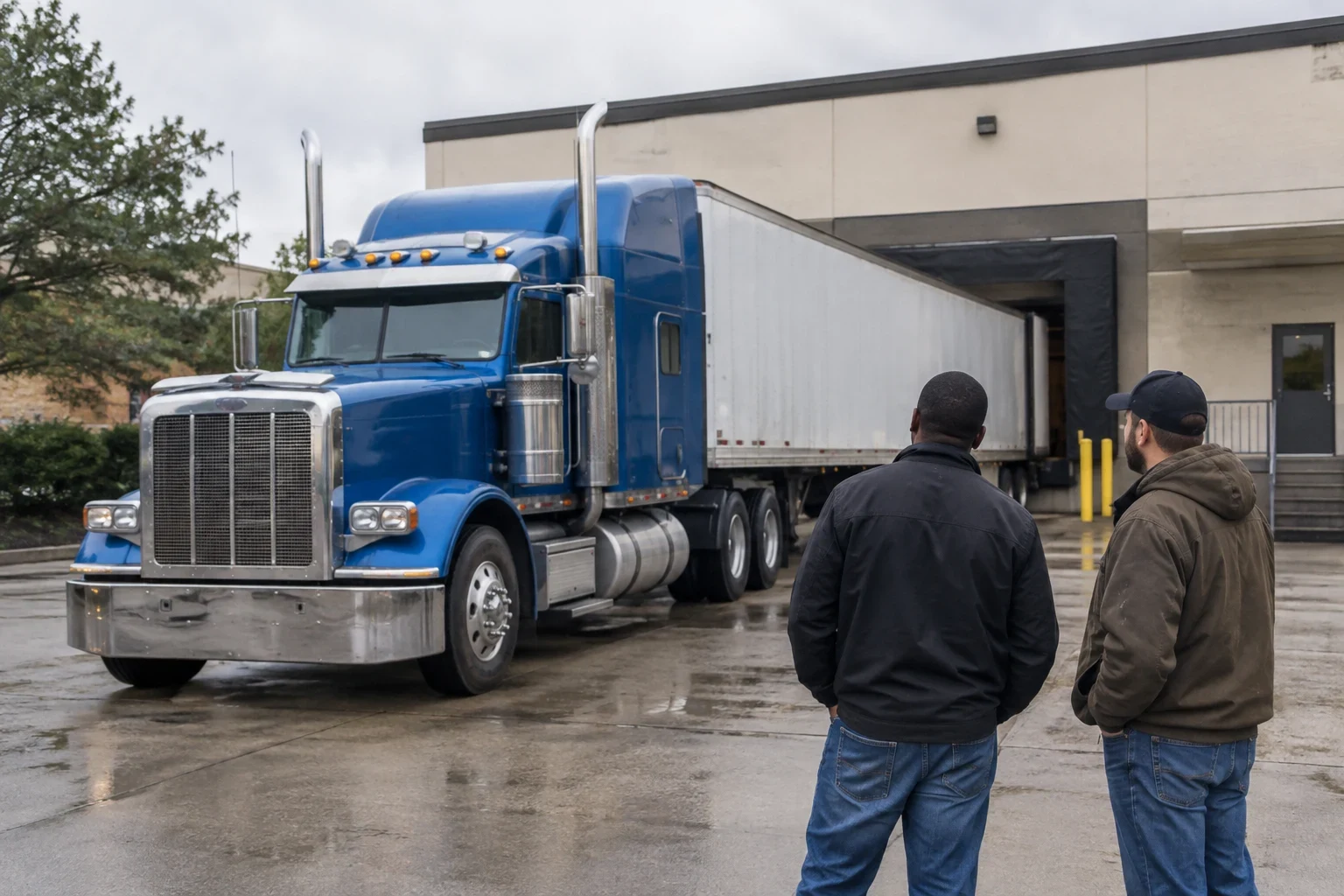
One program for the whole operation
Commercial trucking insurance is not a single policy. It is a set of coverages that work together: primary auto liability for the people and property you could damage, physical damage for the truck and trailer, motor truck cargo for the freight, and often trailer interchange or non-trucking liability depending on how you haul. Each piece has its own limits, deductibles and exclusions, and gaps tend to appear where they meet.
We build the program around what you haul, where you run and who you contract with. Then we treat it as something that needs upkeep. Trucks get added, lanes change, a shipper asks for higher cargo limits. A policy written well and never revisited slowly stops matching the business it was meant to protect.
Carriers around Lawrenceville can sit down with us at our office, and those on the road can work with us over the phone or on a video call. The conversation is the same either way.
What we set up and look after
Primary auto liability
The coverage your MC authority depends on. We match limits to federal requirements and to what your brokers and shippers write into their contracts, which is often higher.
Physical damage and cargo
Collision and comprehensive for your trucks and trailers at a stated value that reflects what they are worth today. Cargo coverage is written around the commodities you actually haul, with attention to exclusions like unattended vehicles or reefer breakdown.
Federal and state filings
We handle the BMC-91X filing with FMCSA and the MCS-90 endorsement, plus state filings for Georgia intrastate work when your operation needs them. A lapsed filing can put your authority at risk, so we watch the dates.
Certificates of insurance
Brokers, shippers and job sites ask for certificates constantly. Each one we send names the right party and carries the specific endorsement language that contract asks for, so a load does not sit waiting on a document.
Annual and mid-term reviews
Before each renewal we go back over your units, drivers, radius and contracts. If something changed mid-year, we adjust then rather than waiting for a claim to reveal it.
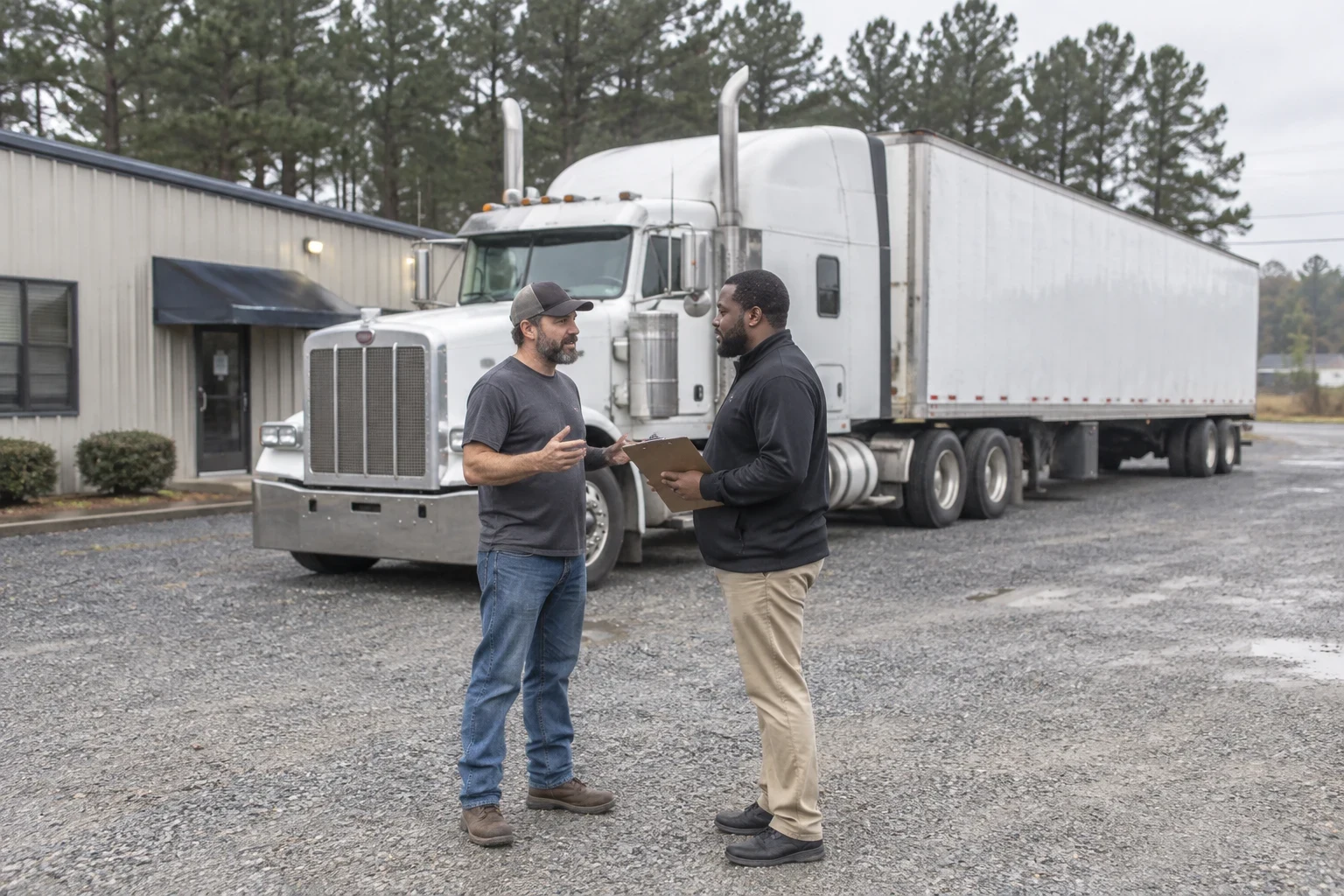
Signs your trucking coverage needs attention
- A broker rejected your certificate
- Limits too low, a contract party left off the certificate, or the wrong cargo amount. Each of these points to a policy that no longer matches the agreements you are signing.
- Your truck count or trailers changed
- New units that were never scheduled, or sold equipment still being billed. Both are common, and both cost you.
- You started hauling something new
- A move from dry van freight to building materials, electronics or temperature-sensitive loads changes cargo exposure. Many cargo forms exclude specific commodities outright.
- Your premium jumped at renewal
- Sometimes that reflects the market. Sometimes it reflects outdated driver lists, a radius that no longer applies or a loss run nobody explained. It deserves a careful look.
- Nobody has read the policy in years
- If the declarations page is the only part anyone has seen, there are likely exclusions and conditions you have not planned around.
How we work with you
- 1
Learn how your trucks run
Our first talk covers the basics underwriters will ask about: your DOT number and authority status, the equipment, who drives, what you haul, how far you go and the contracts you sign. It can happen at our office or remotely, whichever fits your week.
- 2
Market the risk
We take that information to the insurance companies that write trucking and compare coverage forms side by side, not just premiums. You see where each option is stronger or thinner.
- 3
Bind, file and certify
Once you choose, we bind coverage, complete the federal and state filings and issue the certificates your brokers or customers need to release loads.
- 4
Keep it maintained
Through the policy year we add and remove units, update drivers and answer contract questions. Ahead of renewal we review everything again so the next term starts from an accurate picture.
What shapes your premium
Trucking premiums are built from a long list of details about your operation, and two carriers with similar trucks can see very different numbers. We explain which factors are driving yours and which ones you have some control over. We do not quote prices before we know your operation.
- Drivers and their records
- Age, years of commercial driving experience and MVR history weigh heavily. A single new hire with violations can move the whole fleet's rate.
- Authority age and loss history
- New authorities are priced with less information, so rates are usually higher in the first years. A clean loss run over time is one of the strongest things you can bring to renewal.
- Equipment and values
- The year, type and stated value of each truck and trailer set physical damage cost. Values set too high cost premium; set too low, they shortchange you after a total loss.
- Radius, commodities and limits
- Long-haul interstate work, high-value or hazardous cargo, and contract-required limits above the federal minimum all raise the premium. Local runs and standard freight generally cost less.
- Safety scores and inspections
- Underwriters review your CSA scores and roadside inspection history. Steady maintenance records and clean inspections help over time.
Commercial trucking insurance questions
- What coverage do I actually need to run under my own authority?
- At minimum, primary auto liability with the required federal filing. Most carriers also need cargo coverage because brokers and shippers require it, and physical damage if the truck is financed or you could not replace it out of pocket. We go through your contracts and lender terms to settle the rest.
- How long does it take to get coverage and filings in place?
- It depends on how quickly we can gather driver, equipment and authority details and how the insurance companies respond. Once coverage is bound, filings and certificates follow. We tell you plainly where things stand at each step.
- Can you add a truck or driver in the middle of my policy?
- Yes. Call us before the new unit or driver goes into service so coverage is in place first. We update the schedule, adjust the premium and reissue certificates where needed.
- Why did my renewal go up when I had no claims?
- Rates can rise across the trucking market regardless of your record, and changes in drivers, equipment values or radius also show up at renewal. We review the reasons line by line and look at whether other companies would treat your operation differently.
- Do you handle specific operations like dump trucks or hotshot?
- We do. We have separate pages on Dump Truck and Construction Truck Insurance, Hotshot Truck Insurance, Box Truck Insurance and Fleet Truck Insurance, since each has its own coverage concerns.
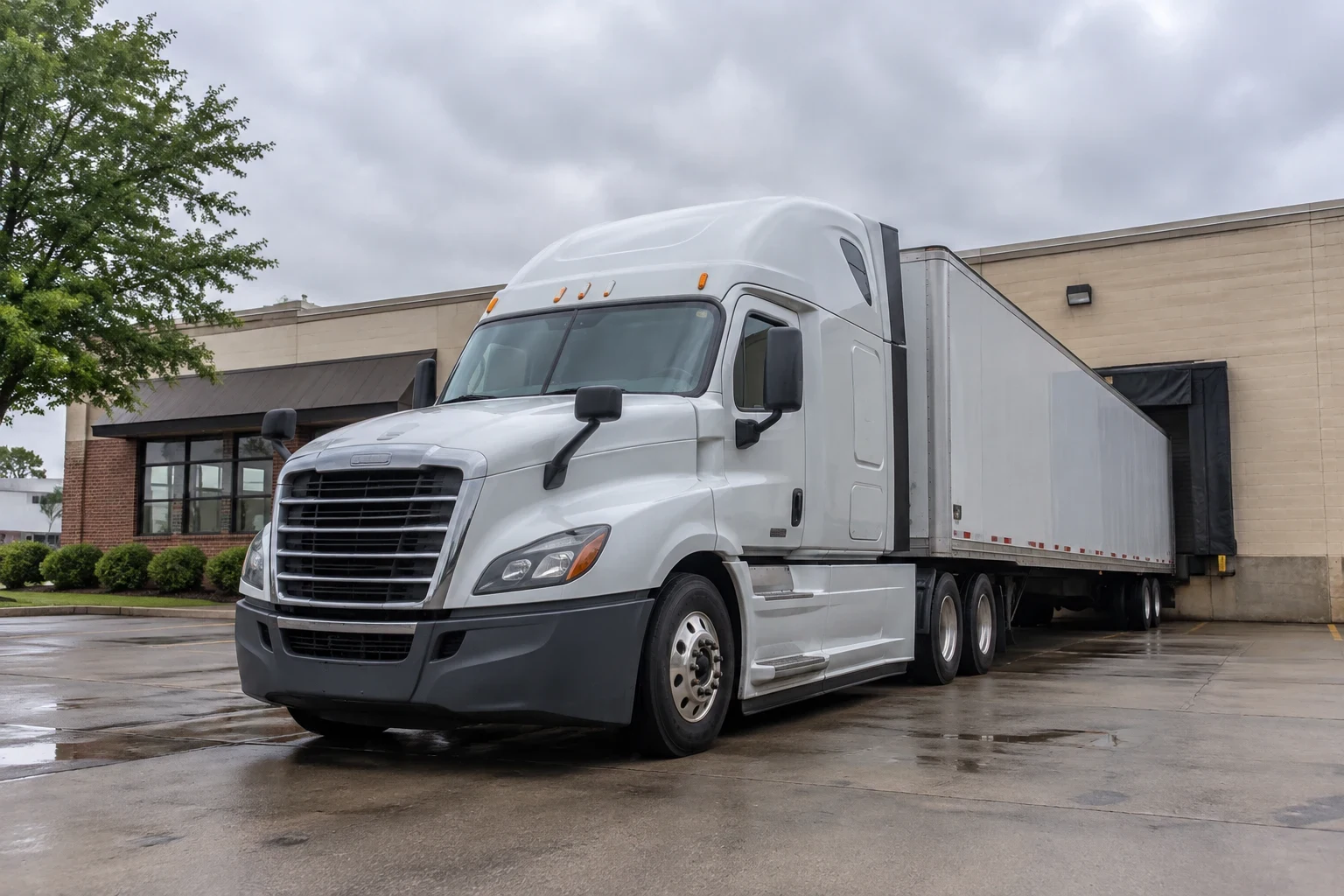
Keep your coverage matched to your operation
A new program or one you have carried for years both deserve a careful read. We will go through yours with you, piece by piece, and point out what needs attention before it turns into a problem.