ServicesOwner-Operator Insurance
Owner-Operator Truck Insurance in Lawrenceville
You own the truck, so the coverage has to fit how you actually run it. We set up owner-operator policies around your lease agreement or your own authority, then keep them current as your loads, lanes and equipment change.
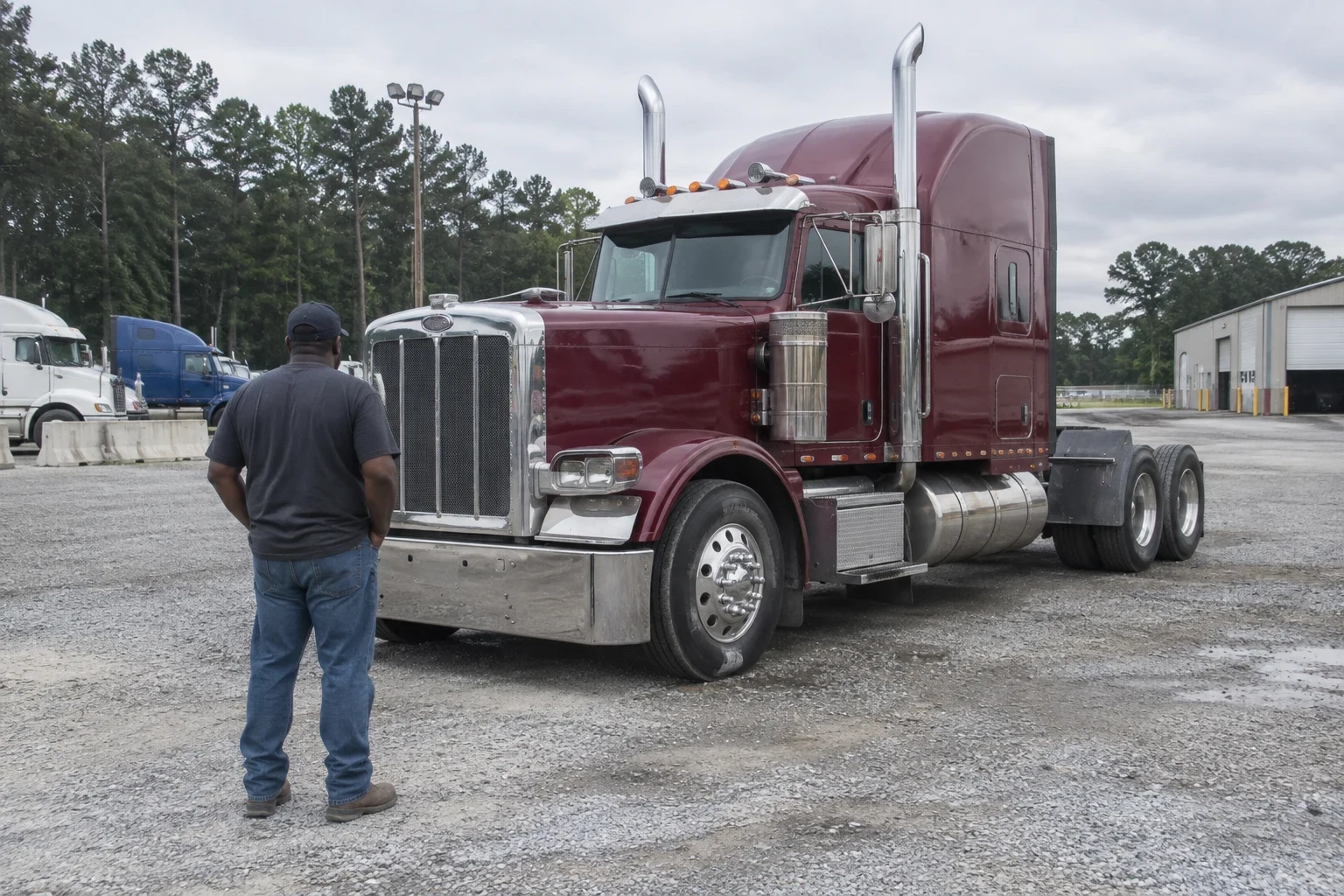
Insurance built around how you run your truck
Owning your truck puts you between two worlds. When you haul under a carrier's lease, their primary liability generally responds while you are dispatched, and the lease names what falls to you. In most cases that list includes non-trucking liability for off-dispatch driving, physical damage on the tractor you are financing or already own, and at times trailer interchange.
Run under your own DOT number and MC authority and those responsibilities move to you. Primary auto liability with federal filings, cargo coverage sized to your freight, and physical damage set at the truck's true value all become part of your policy.
We start by reading your lease or looking at how your operation is set up, and we build from there. Then we keep watch. Coverage that fit the day you bought the truck can slip out of step a couple of years later, and catching that drift is the larger part of what we do.
Pieces of a well-built owner-operator policy
Bobtail and off-dispatch protection
Non-trucking liability responds when you drive the truck outside a carrier's dispatch, which most leases leave for you to carry. We show you where it stops and the carrier's liability starts, so each situation has a clear answer.
Physical damage on the tractor
Collision, fire, theft and similar losses to the truck itself. We take care with the stated value, since a number left over from years ago pays out less after a total loss.
Primary liability with filings
If you hold your own authority, we place primary auto liability and handle the required filings alongside it, keeping your MC authority in good standing.
Cargo coverage matched to freight
Limits and terms set for the commodities on your trailer. Brokers and shippers sometimes ask for more than you would pick yourself, so we confirm their requirements before coverage is bound.
Certificates done right
Carriers, brokers and lenders all ask for a certificate of insurance at some point. We issue each one with the correct certificate holder and wording.
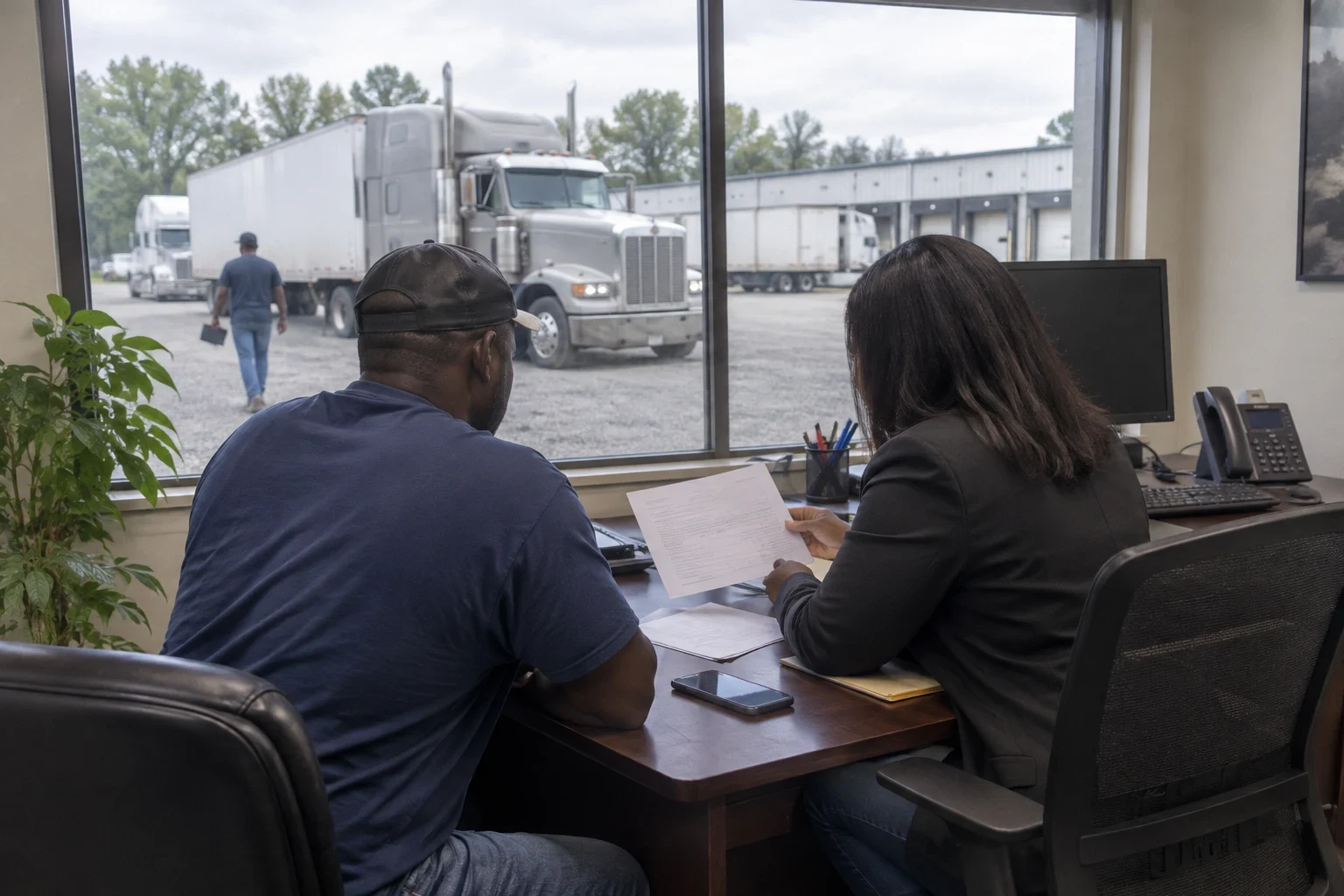
When your owner-operator coverage needs a fresh look
- A new lease is on the table
- Carrier leases differ in what they ask drivers to carry. Knowing the requirements before you sign saves a scramble later.
- A truck purchase or refinance
- A lender will typically require physical damage and list itself as loss payee. A different truck also means a different value to insure.
- Plans to run your own authority
- Leaving a lease puts primary liability, filings and cargo on your shoulders. Our New Authority Truck Insurance page walks through that move.
- A renewal that rose with no reason given
- Premium changes come from somewhere: a violation, a claim, a tighter market. We can trace the cause and check whether the policy still suits you.
- Years since anyone checked
- Freight, lanes and equipment shift over time. Coverage that has not followed along tends to show its gaps right when a claim comes in.
How we build your policy and keep it current
- 1
Talk it through
By phone or video, we cover how you operate: leased or independent, the truck, the freight and your usual radius. Some drivers like to bring their paperwork across the desk, and our Lawrenceville office is open to you for that kind of meeting.
- 2
Collect the details
We will ask for your CDL information, the truck's VIN and value, your lease if there is one, and loss runs from prior insurers. With these in hand, the quote reflects your real situation.
- 3
Compare options clearly
You see coverage choices next to each other, with limits and deductibles explained in plain terms. The decision on what fits your budget and your obligations stays with you.
- 4
Bind and send paperwork
After you choose, we bind the coverage, send certificates to your carrier or lender, and take care of any filings your authority needs.
- 5
Return before every renewal
We revisit the policy ahead of each renewal and whenever you change trucks, leases or freight. Steady small adjustments keep it from drifting out of date.
What moves an owner-operator premium
Two owner-operators with similar trucks can pay very different premiums. The gap usually traces back to a few factors that underwriters study closely. We go over each one with you so the figure is clear before you decide.
- Your CDL history
- Time behind the wheel with a CDL and a clean MVR count for a lot. Fresh violations or accidents can keep the premium higher for several years.
- Lease or independent
- Drivers leased onto a carrier often carry less, because primary liability under dispatch sits with the carrier. Running your own authority brings liability, filings and cargo into the price.
- Tractor value and deductible
- A newer, pricier tractor raises the physical damage portion. The deductible you pick shifts that figure too.
- Commodities and miles
- The freight on your trailer and the distance you cover are both rated. Regional work around Gwinnett County is priced differently than multistate long haul.
- Claims on your loss runs
- Past claims appear on loss runs and travel with you from one insurer to the next. Keeping that record clean is one of the surest ways to hold your premium steady.
Questions owner-operators ask us
- If a carrier has me under lease, is my own policy still necessary?
- In most cases it is. Carriers typically provide primary liability only while you run under their dispatch. The lease will usually ask you to carry non-trucking liability plus physical damage on your truck, and we can go through it with you to be sure.
- Will non-trucking liability cover me with a load on?
- It will not. Bobtail coverage is meant for times the truck is off business use, like personal driving outside dispatch. When you are hauling for the carrier, their primary liability is the policy that responds.
- What information should I have ready for a quote?
- Have your CDL details handy, along with the truck's year, make, VIN and value. Bring your lease if you are leased on, and loss runs from any previous insurer. Drivers with their own authority should also have their DOT number and MC number ready.
- If I move to a different carrier, does my policy go with me?
- Frequently it can, but the new lease may ask for other limits or coverage types. Give us a call before signing, and we will hold the new carrier's requirements up against your current policy.
- How often is a policy review worth doing?
- Once a year ahead of renewal at a minimum, plus any time your setup changes: a new truck, a new lease, different freight or plans for your own authority. Regular check-ins find small gaps while they are still cheap to close.
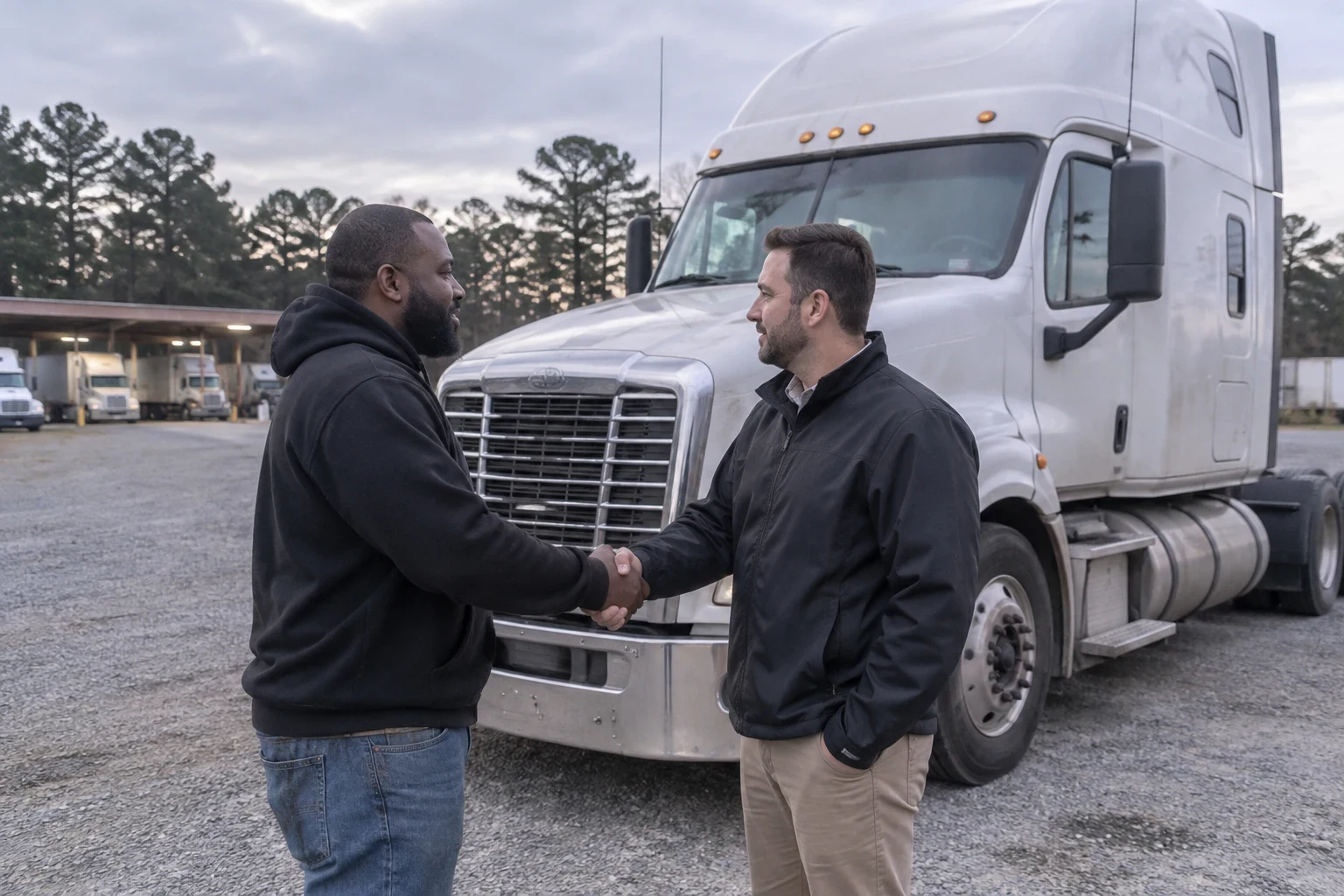
Keep your truck's coverage in step with your work
Tell us how you run and what your lease or authority requires. We will lay out your options and keep the policy current from one renewal to the next.