What Type of Insurance Do You Need on a Box Truck in Lawrenceville?
A box truck sits between a pickup and a tractor-trailer, and its insurance should be built for the work it actually does.
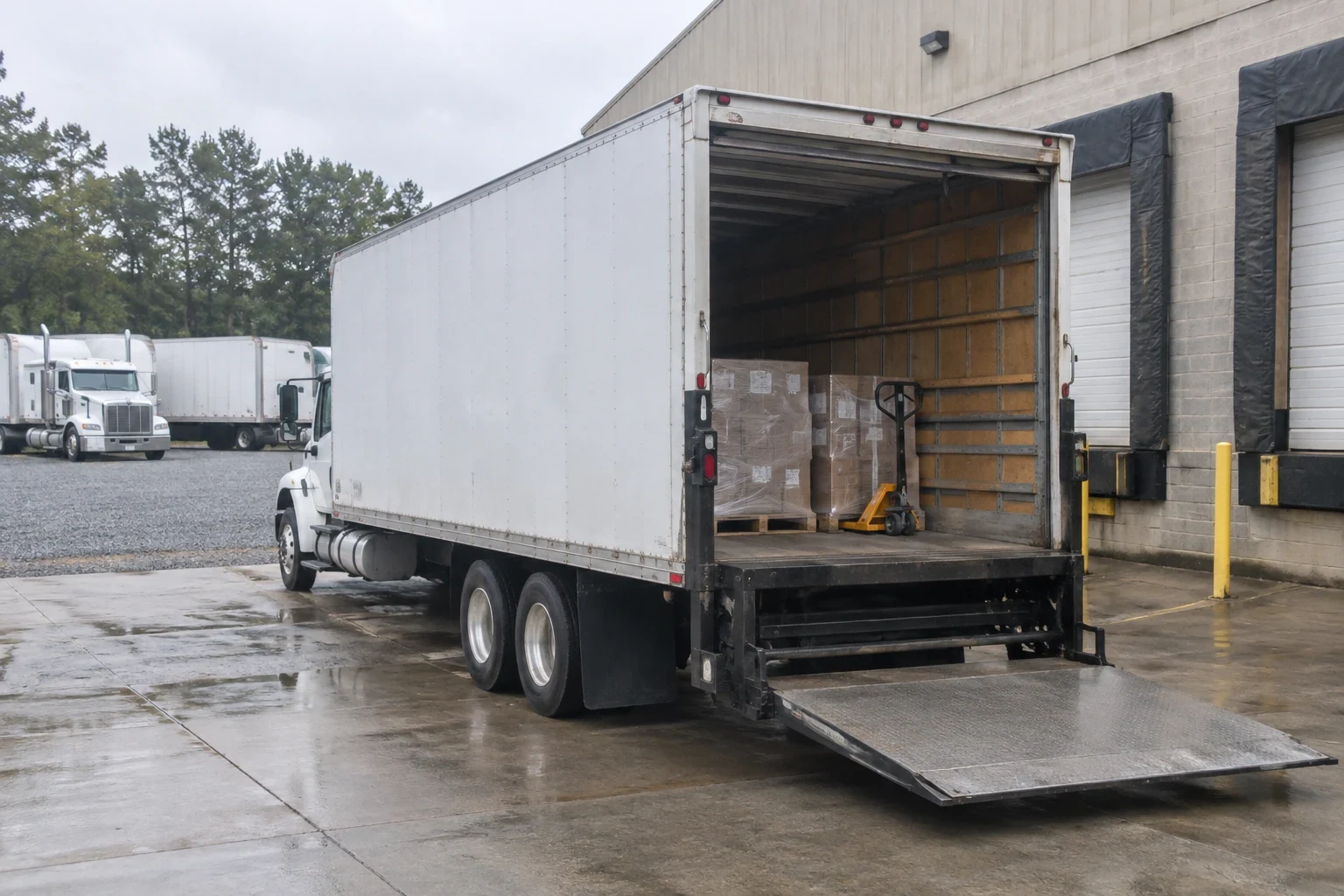
What type of insurance do you need on a box truck?
Most box trucks used for business need primary auto liability, physical damage coverage and motor truck cargo coverage. If you haul for hire across state lines, your liability also needs a federal filing tied to your DOT number and MC authority. Owner-operators leased to a carrier may need non-trucking liability instead. Talk it through with us at (770) 203-1136.
Which coverage is required, and which is optional?
Liability is the one piece you cannot skip. Georgia requires it on any vehicle on the road, and if you run for hire in interstate commerce, your insurer files proof with the FMCSA so your MC authority stays active. That filing has to match the legal name and DOT number on your authority exactly, or it can stall.
Physical damage and cargo coverage are not set by statute, but they are rarely optional in practice. A lender or lease company will require physical damage on a financed truck. Brokers and shippers write cargo limits into their contracts, and many will not load you without a certificate of insurance showing them.
- Primary auto liability: injury and property damage you cause to others on the road
- Physical damage: collision, theft, fire and weather damage to the truck itself
- Motor truck cargo: the freight in the box while it is in your care
- Non-trucking liability: personal use and off-dispatch driving for leased owner-operators
Does it matter how you use the box truck?
It changes the policy more than the truck does. A furniture store or contractor hauling its own goods is a private carrier, and the coverage centers on liability and physical damage. A for-hire operator moving other people's freight needs cargo coverage and, across state lines, federal filings as well.
Weight matters too. A box truck with a gross vehicle weight rating over 10,000 pounds used in interstate commerce needs a USDOT number, even though most stay under the weight that would require a CDL. Some operators are surprised by that line, so we check the rating on the door jamb before we quote.
If you lease your truck onto another motor carrier, that carrier usually provides primary liability under its own authority. What you carry then is non-trucking liability for the times you drive off dispatch, plus physical damage on your own equipment.
What to look for in a box truck cargo policy
Two cargo policies with the same limit can pay very differently. The details sit in the exclusions and conditions, and they are worth reading before a load goes wrong rather than after.
- Commodity lists: electronics, tobacco and some household goods are often excluded or limited
- Unattended vehicle conditions: some policies restrict theft claims when the truck is parked overnight
- Reefer breakdown: refrigerated box trucks need it added if spoilage from a failed unit should be covered
- Loading and unloading: damage at the liftgate or the dock is handled differently from policy to policy
- Deductibles: a lower premium sometimes means a deductible you would struggle to pay on a small claim
What moves the premium on a box truck policy
Underwriters look at the operation as a whole. How far you run, what you haul and who drives carry the most weight, followed by the value of the truck and where it is parked at night. A truck that stays within a local radius around Gwinnett County is rated differently from one running long interstate routes.
Time and history count. Newer authorities usually pay more in their first years, and a clean loss record and clean driver records are what bring the premium down over time. We explain which of these you can influence and which you simply have to wait out.
- Operating radius and states traveled
- Commodities hauled
- Driver ages, experience and motor vehicle records
- Truck value and any added equipment such as a liftgate or reefer unit
- Time in business and prior claims
Keeping coverage matched as your operation changes
A policy written well at the start can drift out of fit within a year. You add a second truck, take on a broker with higher cargo limits, or start hauling a commodity your policy excludes. None of these changes show up on their own; someone has to notice them.
We treat a box truck policy as something to maintain. At renewal, and any time your work changes, we go back over the drivers, the trucks listed, the radius and the cargo terms so the coverage still describes what you actually do. Keeping that record accurate is what keeps a claim from being questioned later.
More box truck insurance questions
- Will a personal auto policy cover a box truck I use for work?
- Usually not. Personal auto policies typically exclude vehicles of this size and business use, so a commercial policy is the safer starting point.
- Can I add a second box truck in the middle of my policy term?
- Yes. Call us before the new truck goes into service so it is listed, and we will have an updated certificate of insurance issued to the brokers or customers who need it.
- What is a certificate of insurance, and who will ask for one?
- It is a one-page summary showing your coverage types and limits. Brokers, shippers, warehouses and some job sites ask for it before they load or unload your truck.
- Do I need trailer interchange coverage on a box truck?
- Generally no, since a box truck carries its freight in its own body. It only comes up if you also pull trailers owned by others under an interchange agreement.
Talk through your box truck coverage
Tell us how you use the truck, what you haul and how far you run. We will lay out the coverage that fits your operation, explain the options and put together a quote over the phone.